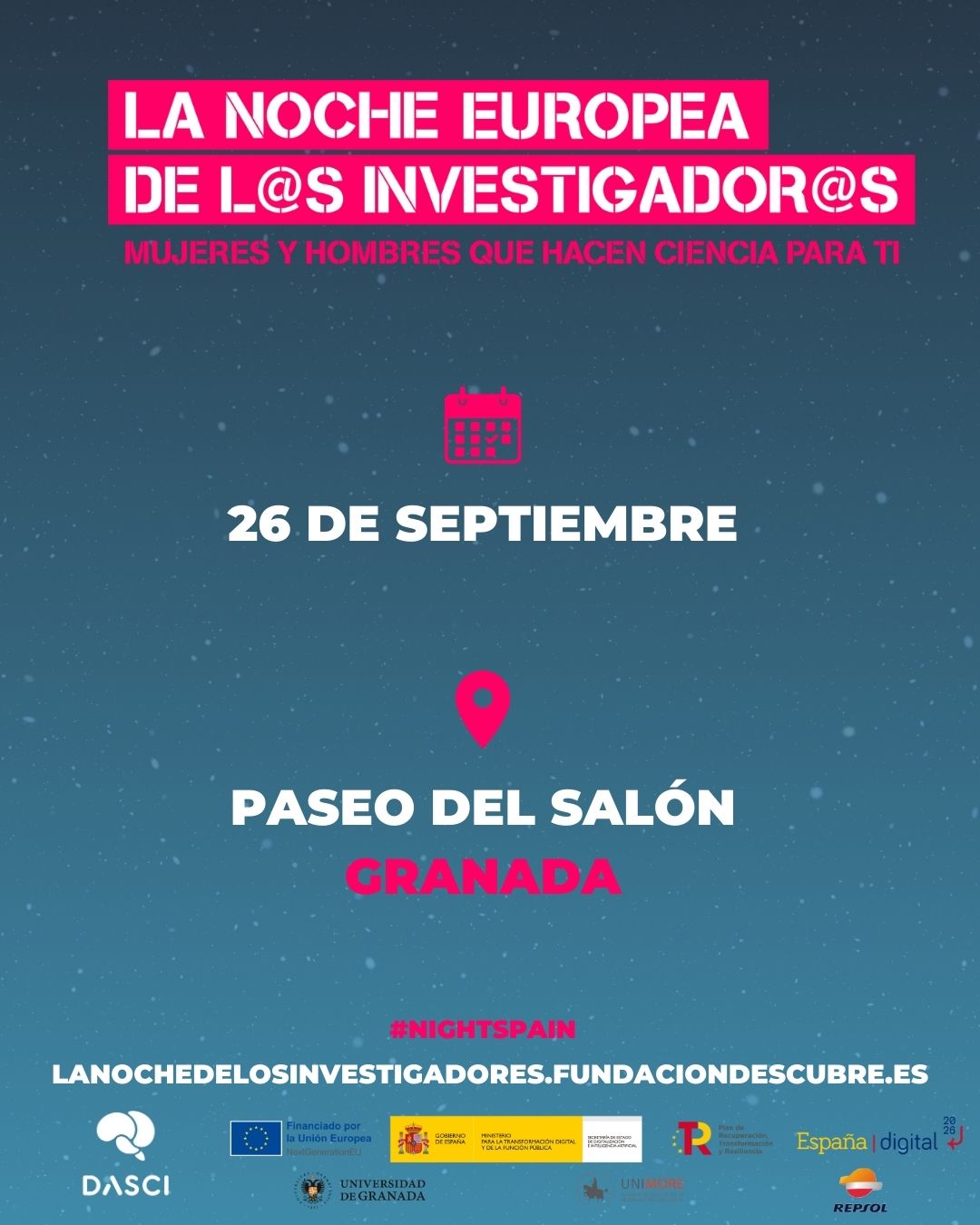
The European Researchers’ Night is an initiative promoted by the European Commission, held simultaneously in over 300 cities across the continent. In Andalusia, under the coordination of the Descubre Foundation, this annual event has become a well-established meeting point between science and society, where researchers share their work in a close, accessible, and entertaining way.
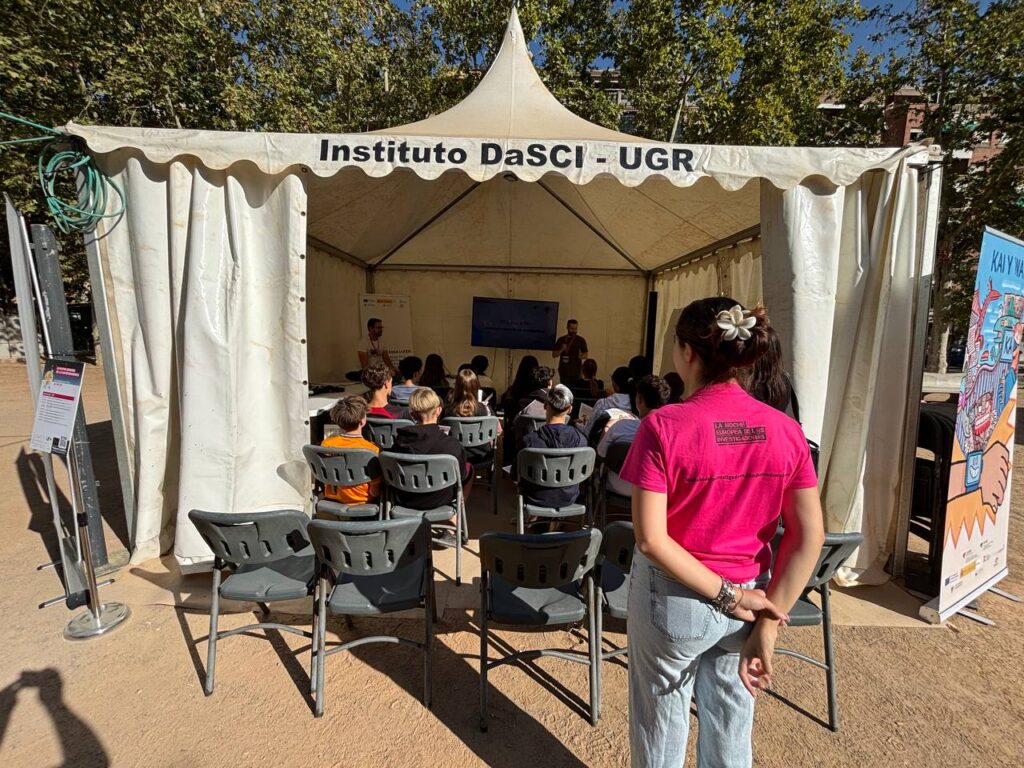
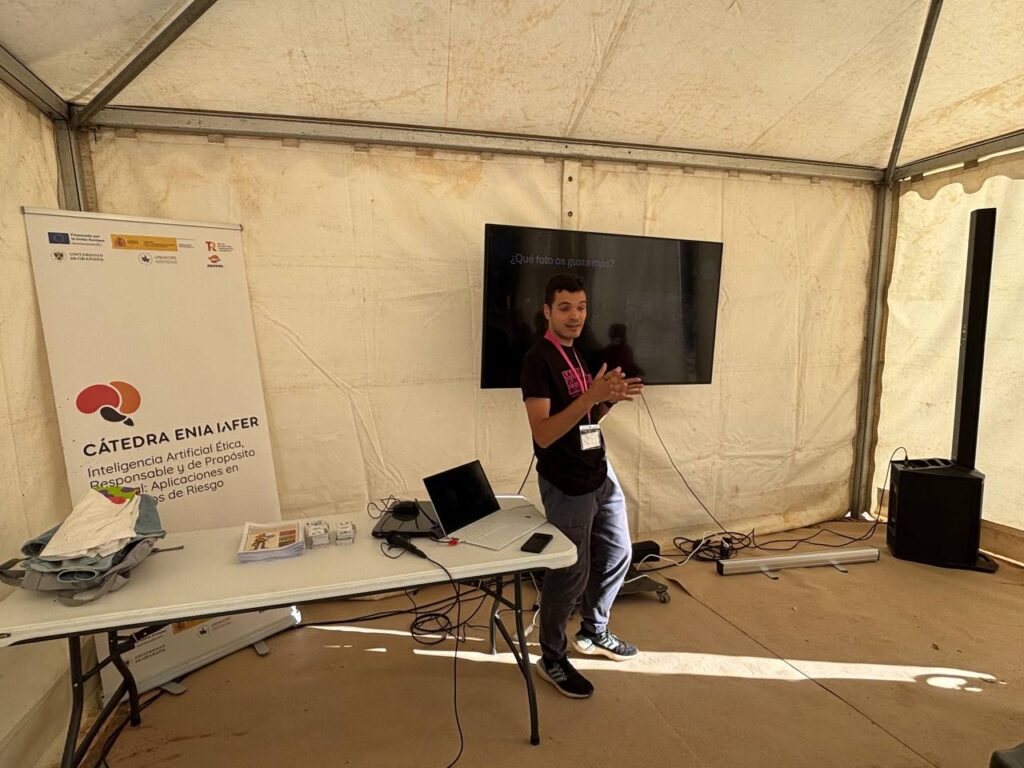
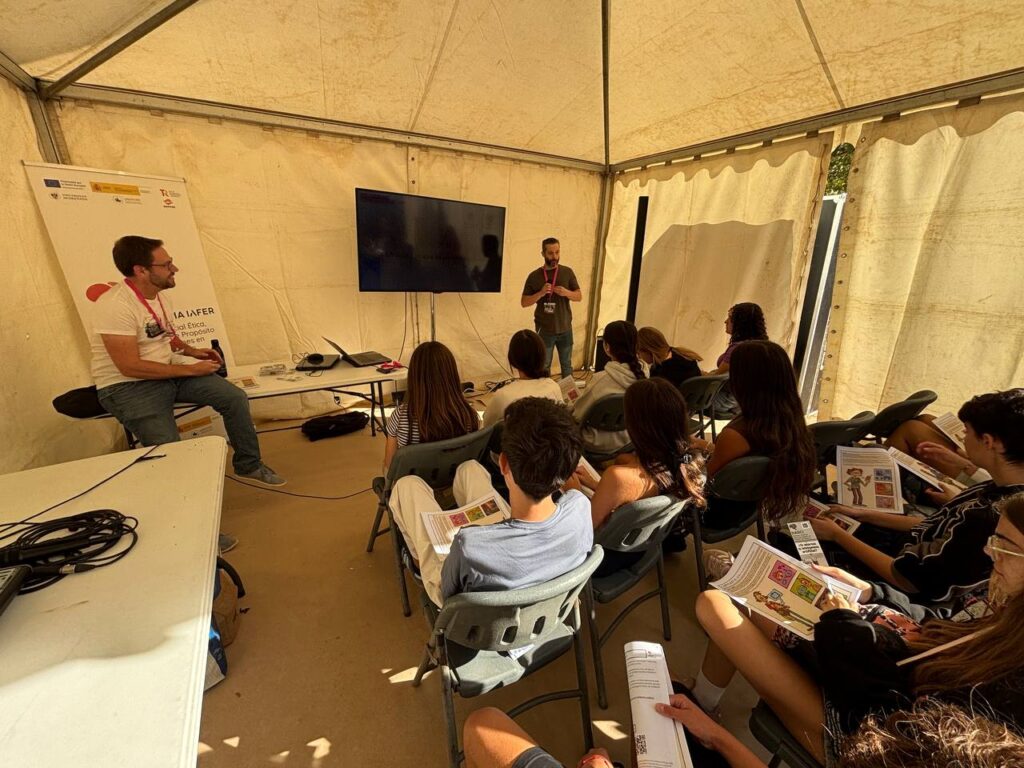
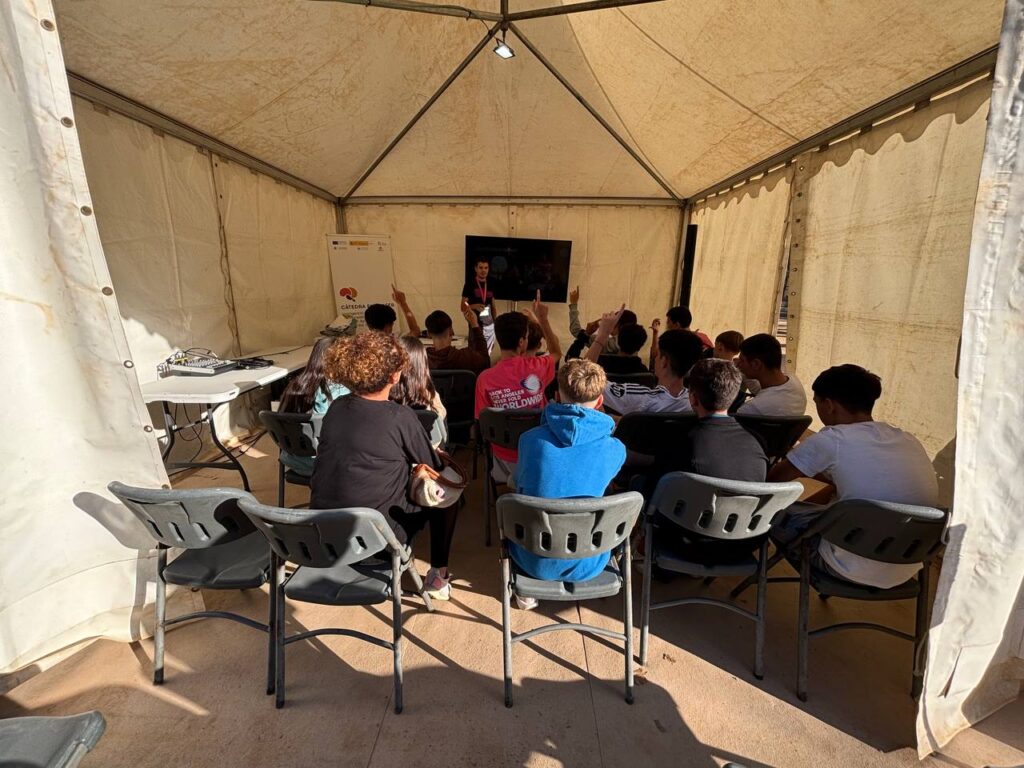
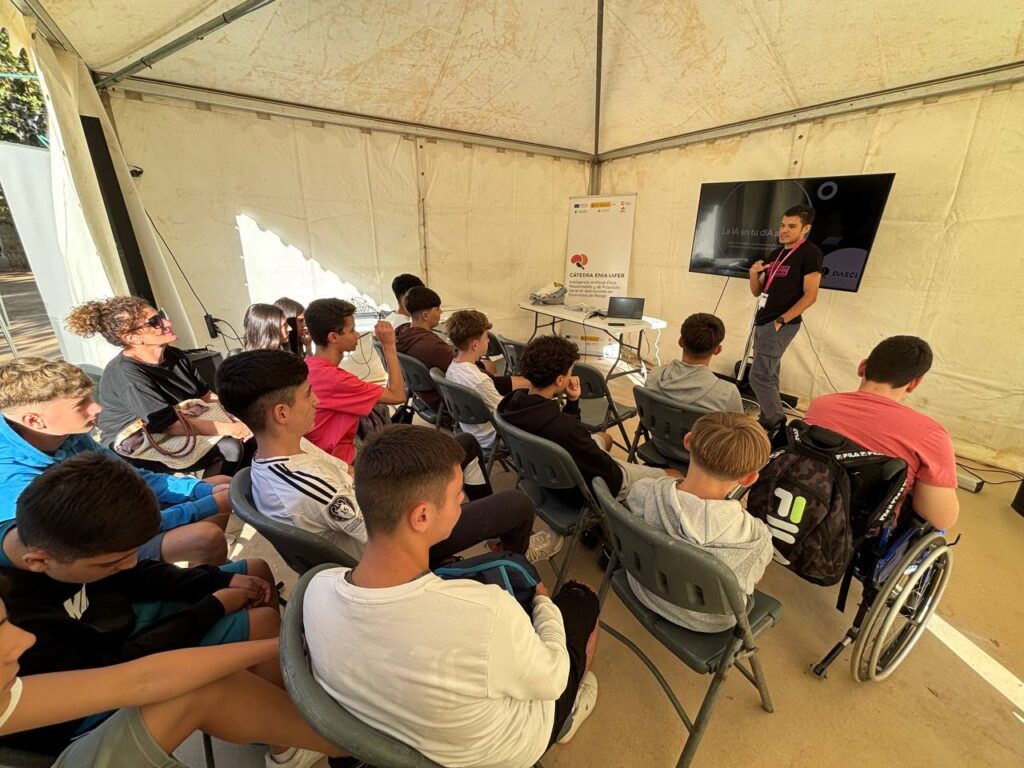
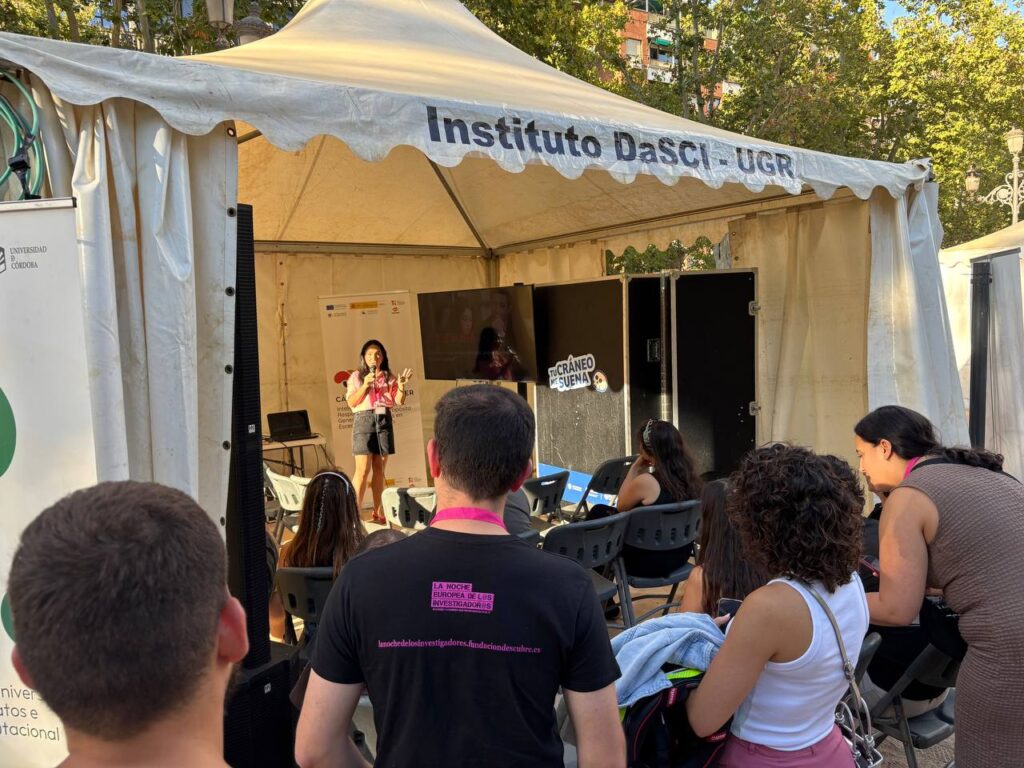
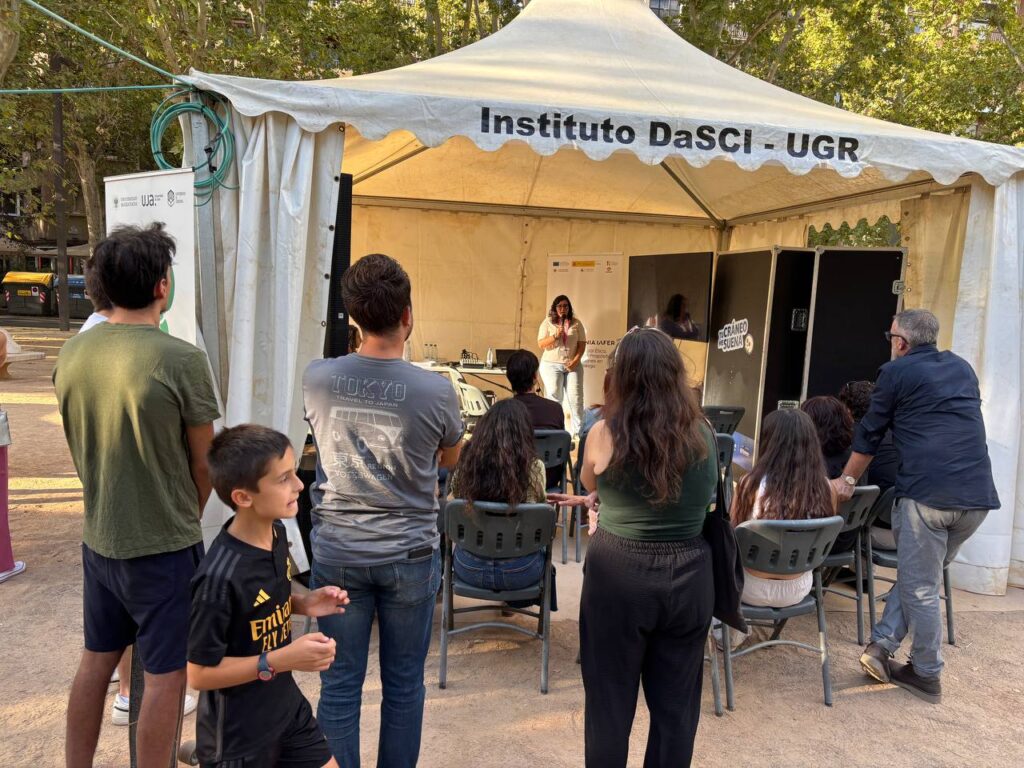
In Granada, the event took place at the emblematic Paseo del Salón, which was transformed into a true open-air laboratory. The DaSCI Institute (Data Science and Computational Intelligence) of the University of Granada actively participated with a diverse program that included morning workshops for teenagers and an evening series of talks led by young researchers from the center.
🌞 Morning Workshops: Science for Teenagers
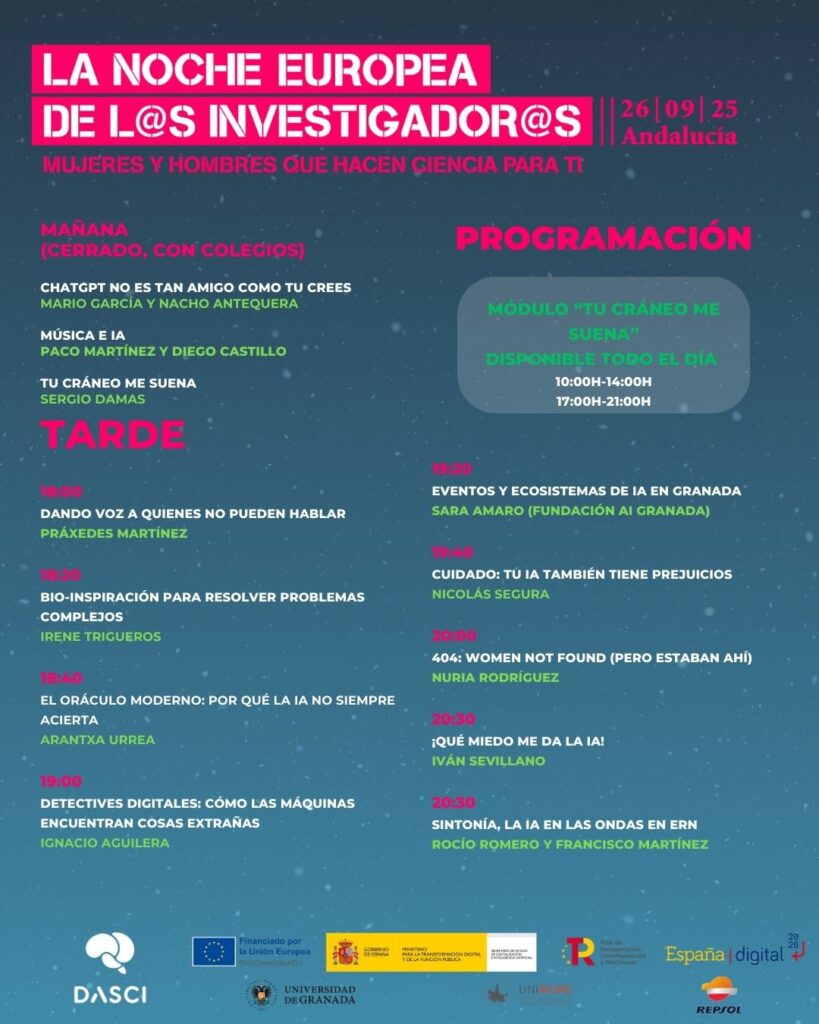
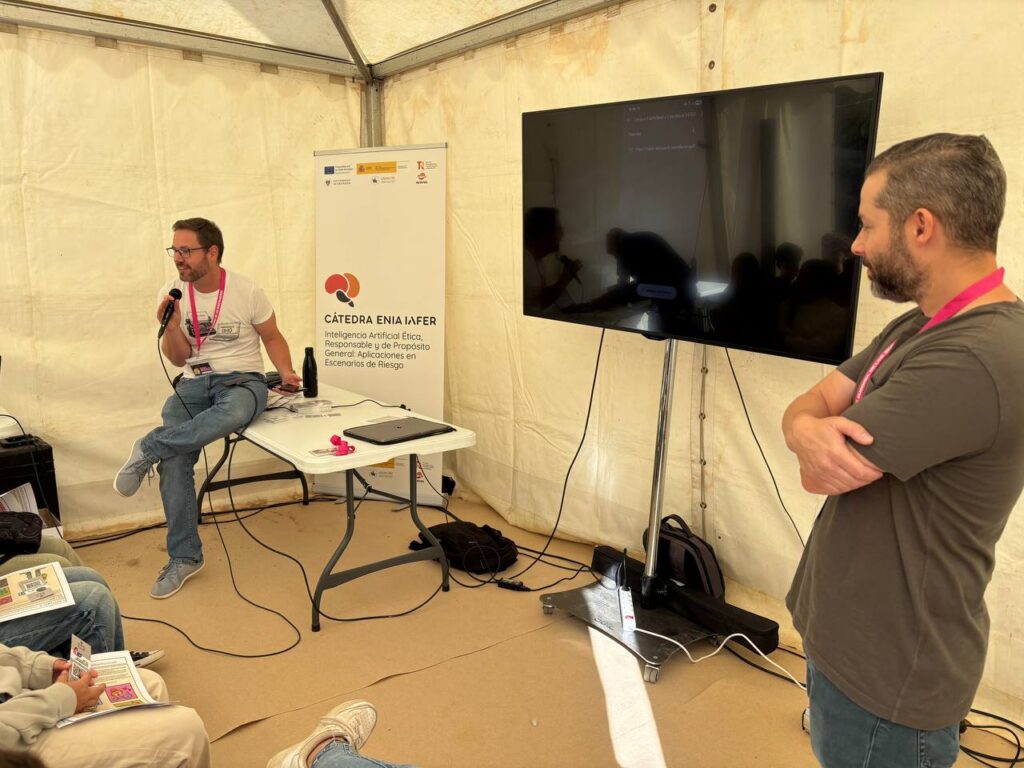
During the morning, DaSCI offered three activities aimed at secondary school students, with the goal of inspiring scientific vocations and fostering critical thinking:
- ChatGPT Is Not as Friendly as You Think
By Mario García Márquez
See activity
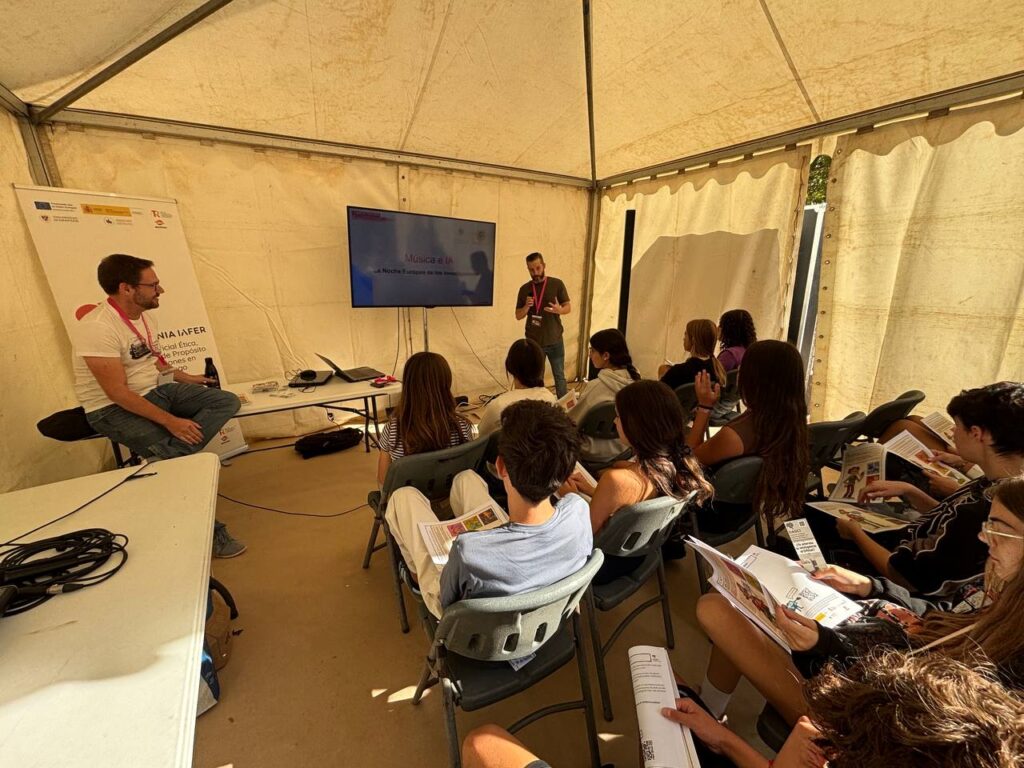
Through practical examples and interactive dynamics, Mario demonstrated how language models like ChatGPT may seem helpful and friendly, but also pose risks, biases, and limitations that we need to understand in order to use them responsibly. - Música and IA
By Francisco Jesús Martínez Murcia and Diego Castillo-Barnes
See activity
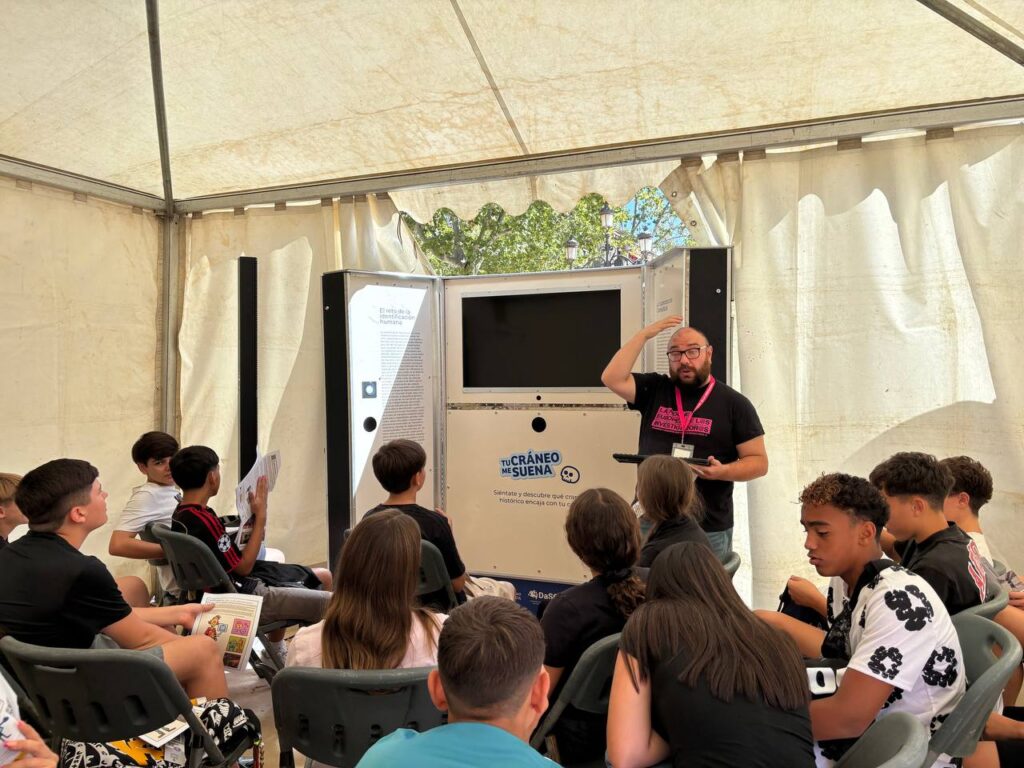
This activity explored how artificial intelligence can analyze, compose, and transform music. Participants experimented with tools that allow the creation of melodies and rhythms using algorithms, discovering the link between art and technology. - Your Skull Sounds Familiar
By Óscar Huertas Rosales
See activity
In this workshop, students learned how AI can analyze medical images, such as skull X-rays, to identify patterns and assist in diagnoses. An activity that combined forensic science, medicine, and artificial intelligence.
🌇 Afternoon Talks: Young Researchers in Action
The afternoon was dedicated to a series of outreach talks showcasing the diverse applications of AI across different fields. The audience enjoyed short, dynamic presentations that were very well received:
- Giving Voice to Those Who Can No Longer Speak
By Práxedes Martínez Moreno
See activity
A talk on the use of AI in forensic science, explaining how algorithms can help reconstruct crime scenes and provide evidence in judicial investigations. - Bio-Inspiration to Solve Complex Problems
By Irene Trigueros Lorca
See activity
Irene presented how nature inspires computational solutions, from evolutionary algorithms to artificial neural networks, showing examples of how biology guides the design of intelligent systems. - The Modern Oracle: Why AI Doesn’t Always Get It Right
By Arantxa Urrea Castaño
See activity
A reflection on the errors and limitations of AI, and how blindly trusting its predictions can lead to poor decisions. - Digital Detectives: How Machines Spot Strange Things
By Ignacio Aguilera Martos
See activity
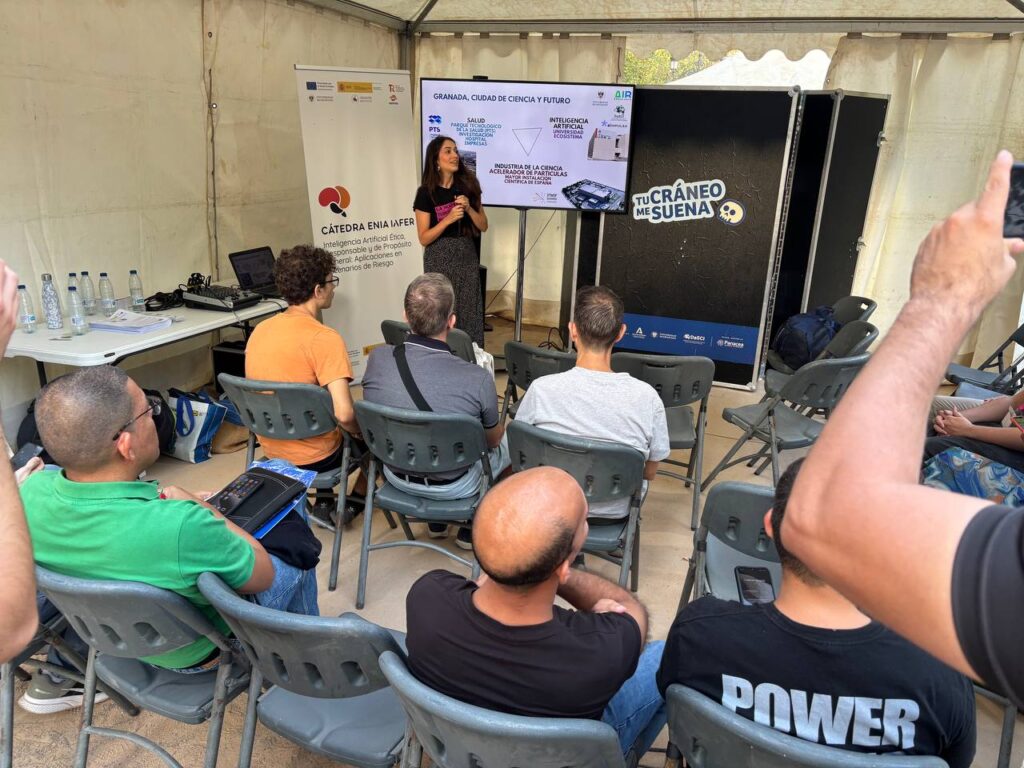
Ignacio explained how algorithms detect anomalies in data—from financial fraud to failures in industrial systems—and how this applies to real-world scenarios. - AI Events and Ecosystem in Granada
By Sara Amaro Serrano (Fundación AI Research and Innovation)
See activity
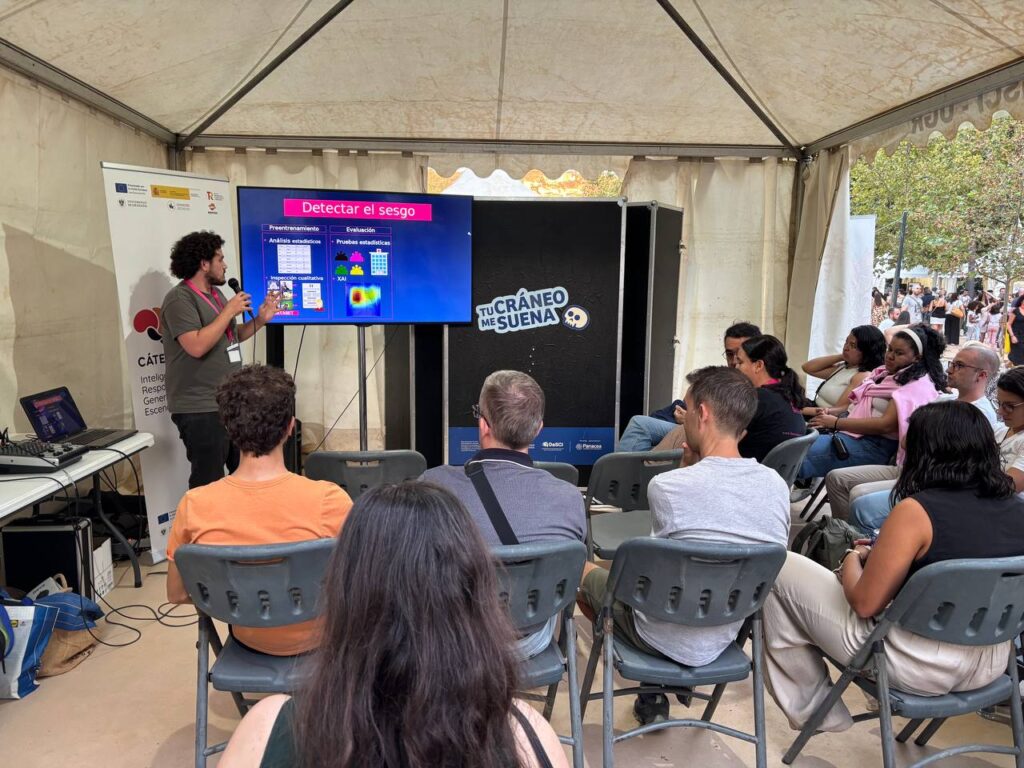
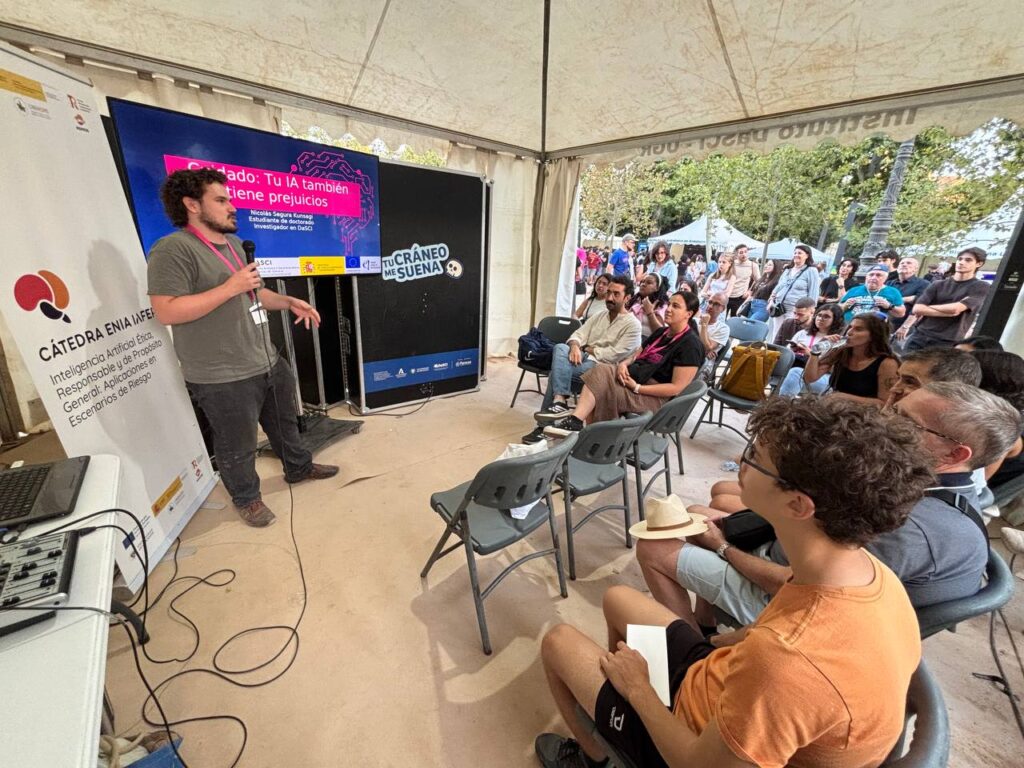
Sara presented Granada’s vibrant AI ecosystem, highlighting initiatives, companies, research centers, and events that position the city as a reference in artificial intelligence. - Beware: Your AI Has Bias Too
By Nicolás Segura Kunsági
See activity
A talk on algorithmic bias and how it can perpetuate discrimination if ethical and responsible systems are not designed. - 404: Women not Found (But They Were There)
By Nuria Rodríguez Barroso
See activity
Nuria advocated for the role of women in science, shedding light on historical and contemporary figures who have been ignored or made invisible in scientific narratives. - AI Scares Me!
By Iván Sevillano García
See activity
Iván addressed the fears AI generates in society—from job loss to machine autonomy—and how we can face them through knowledge and regulation.
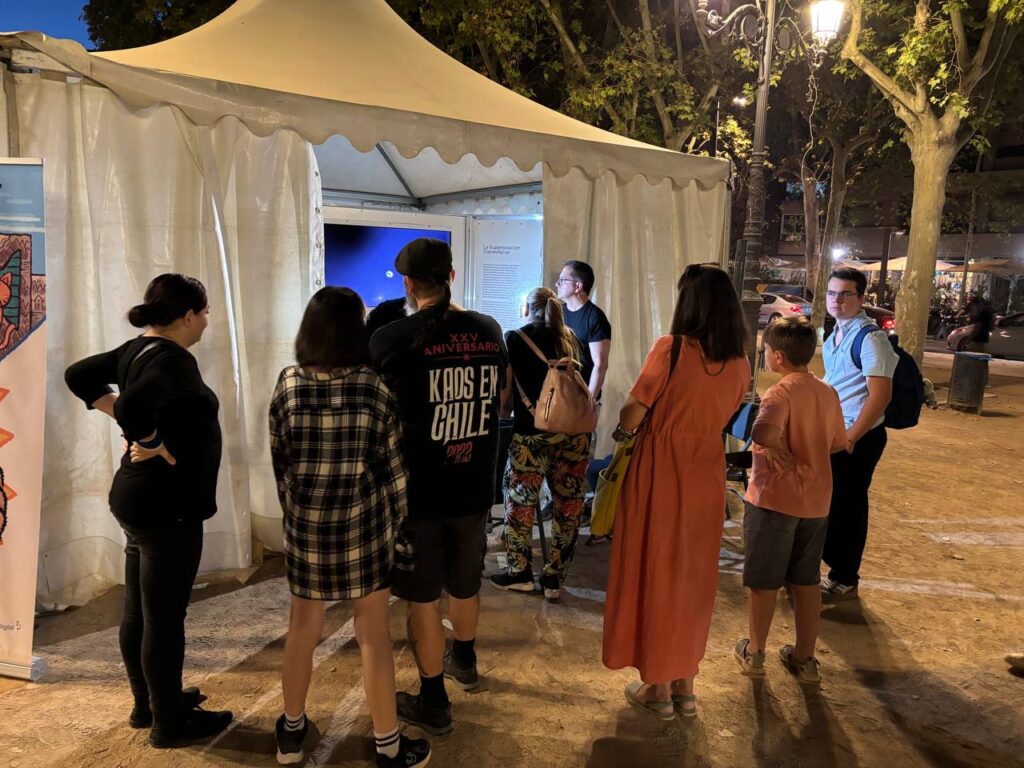
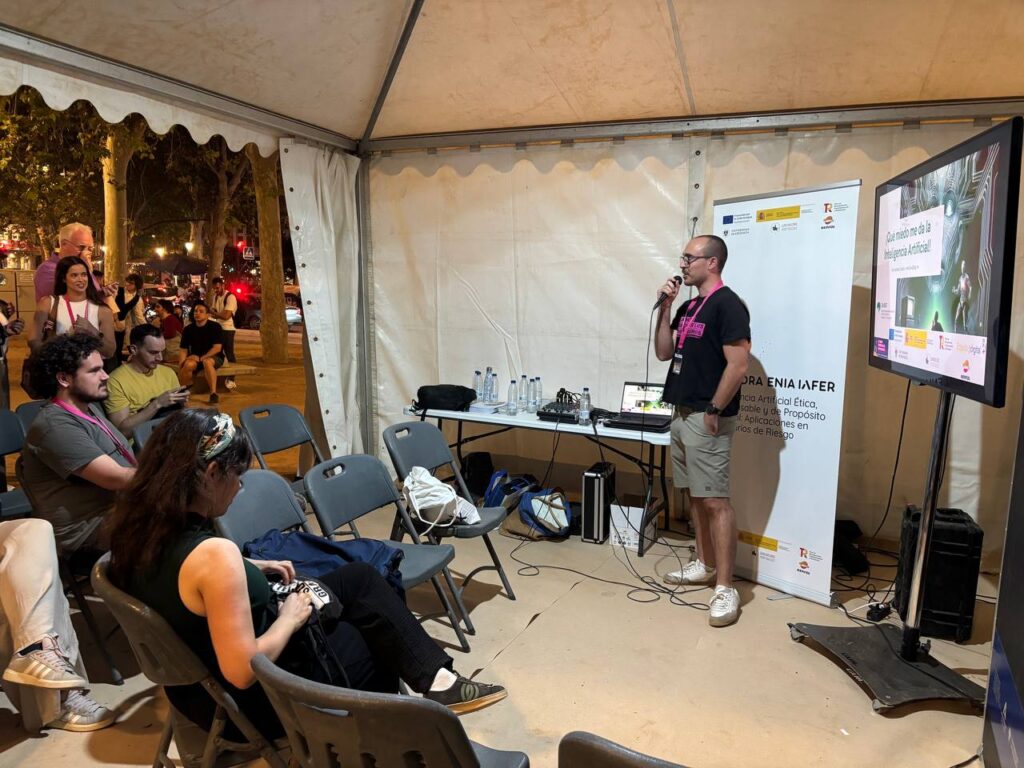
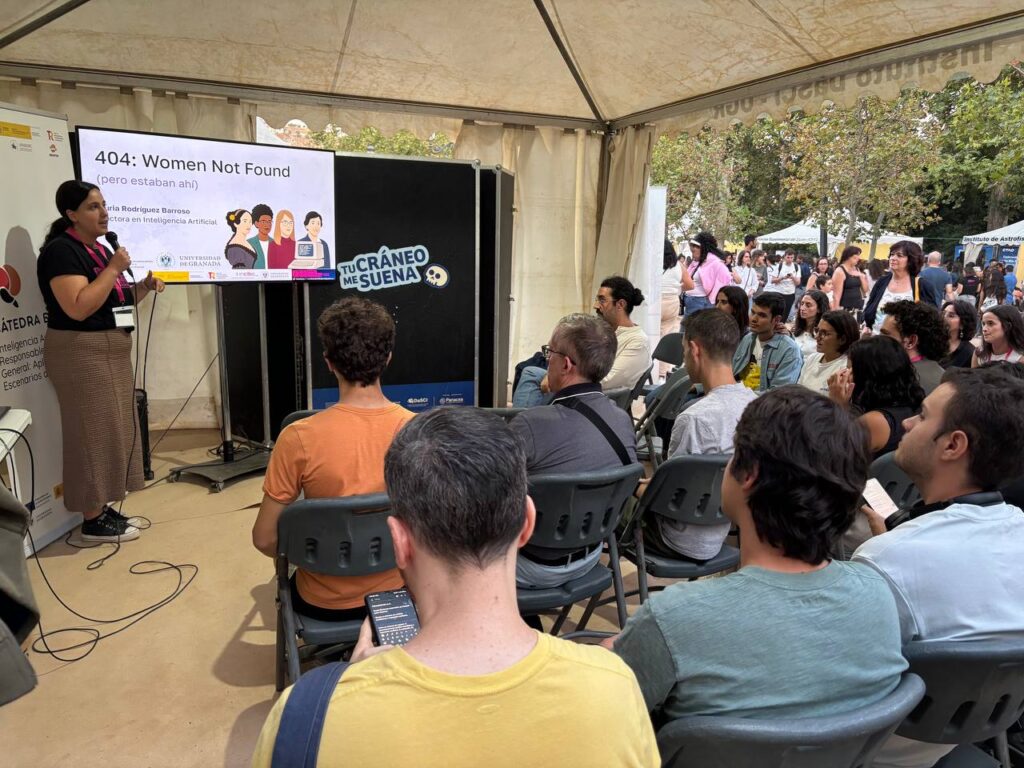
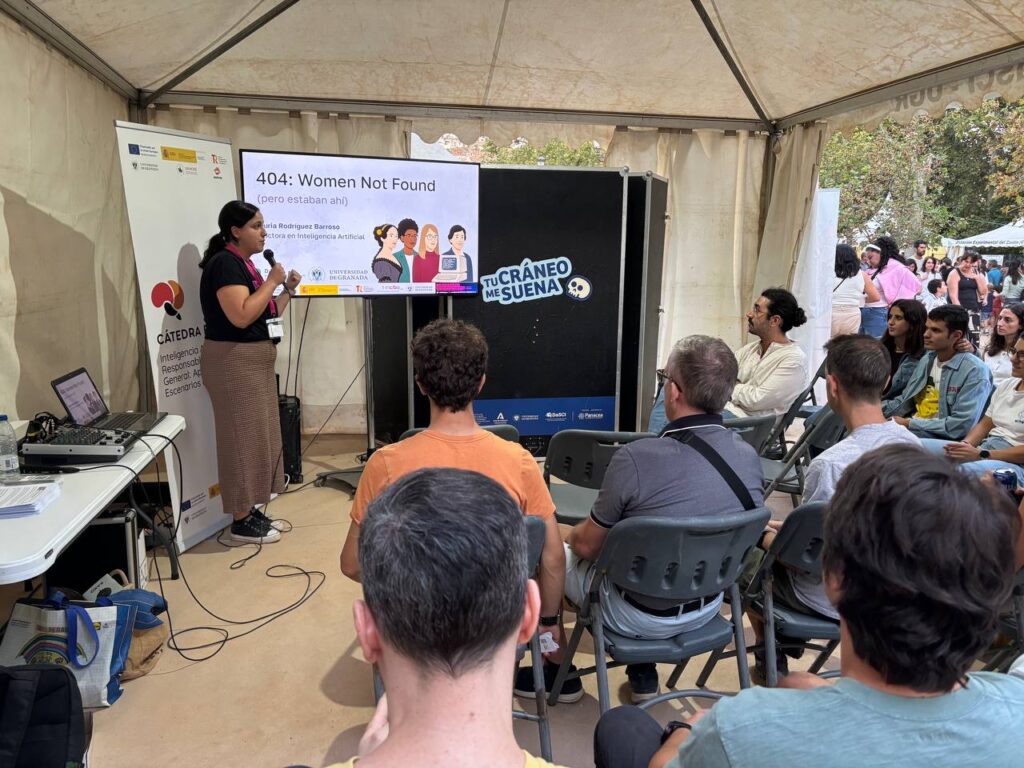
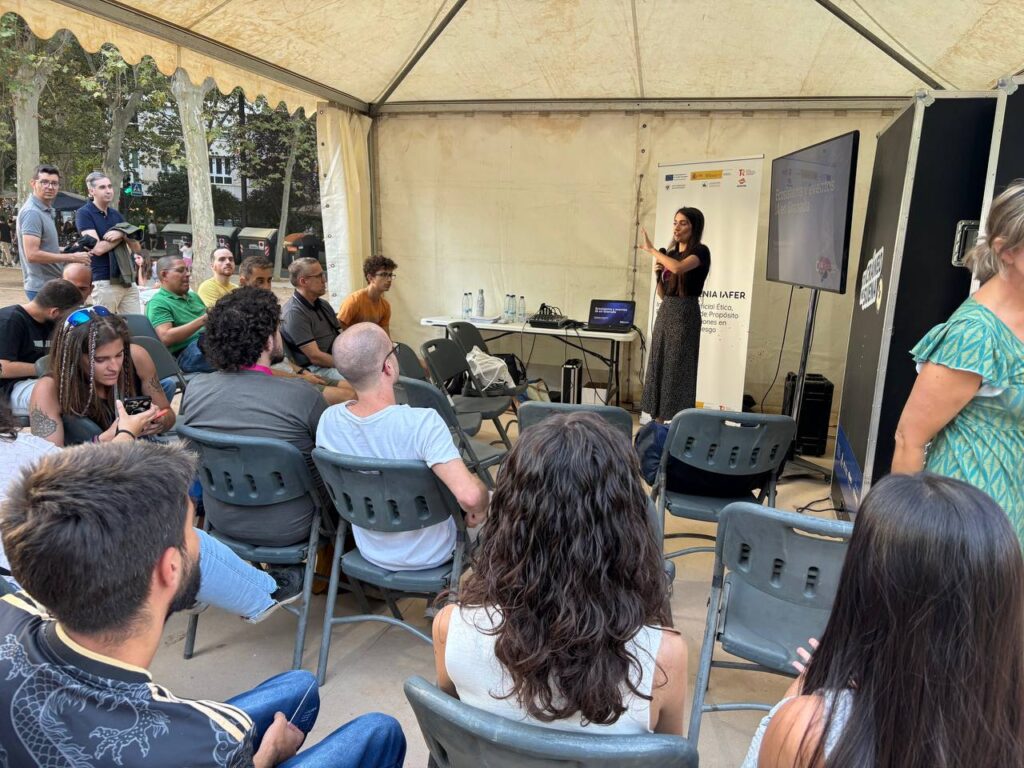
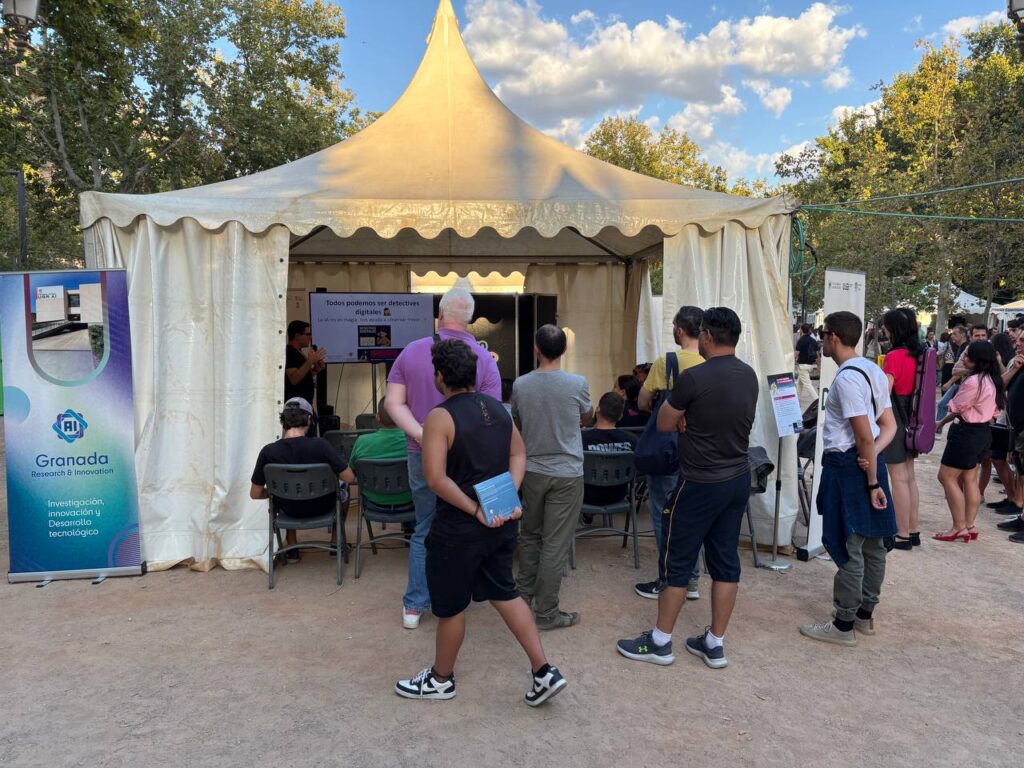
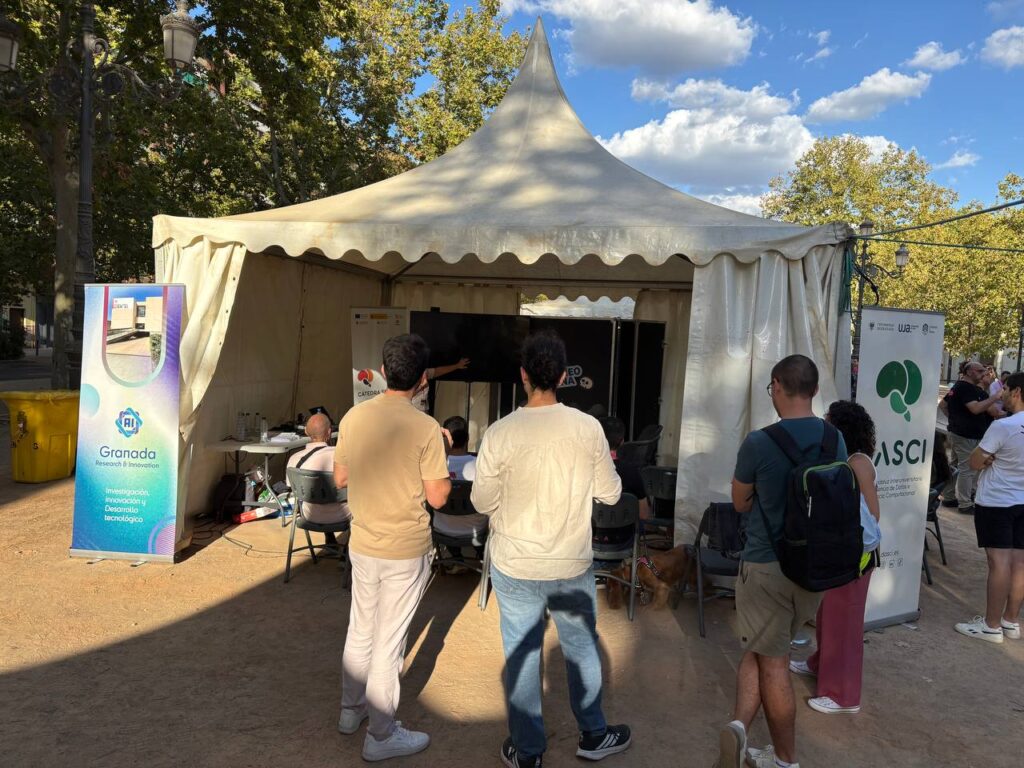
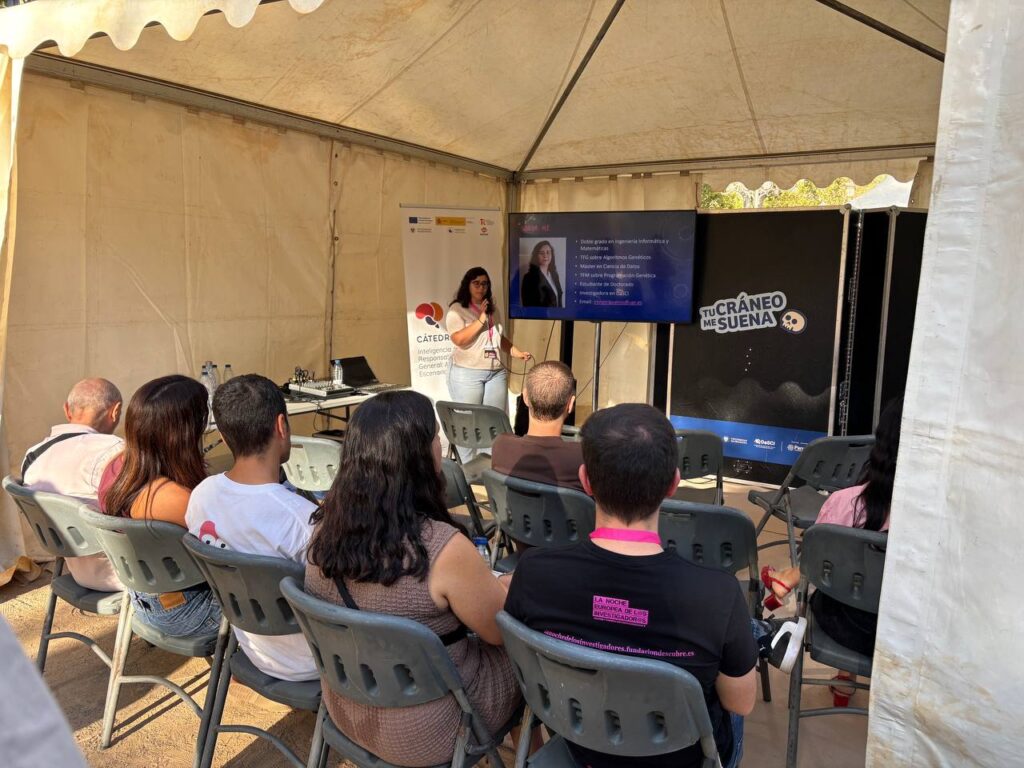
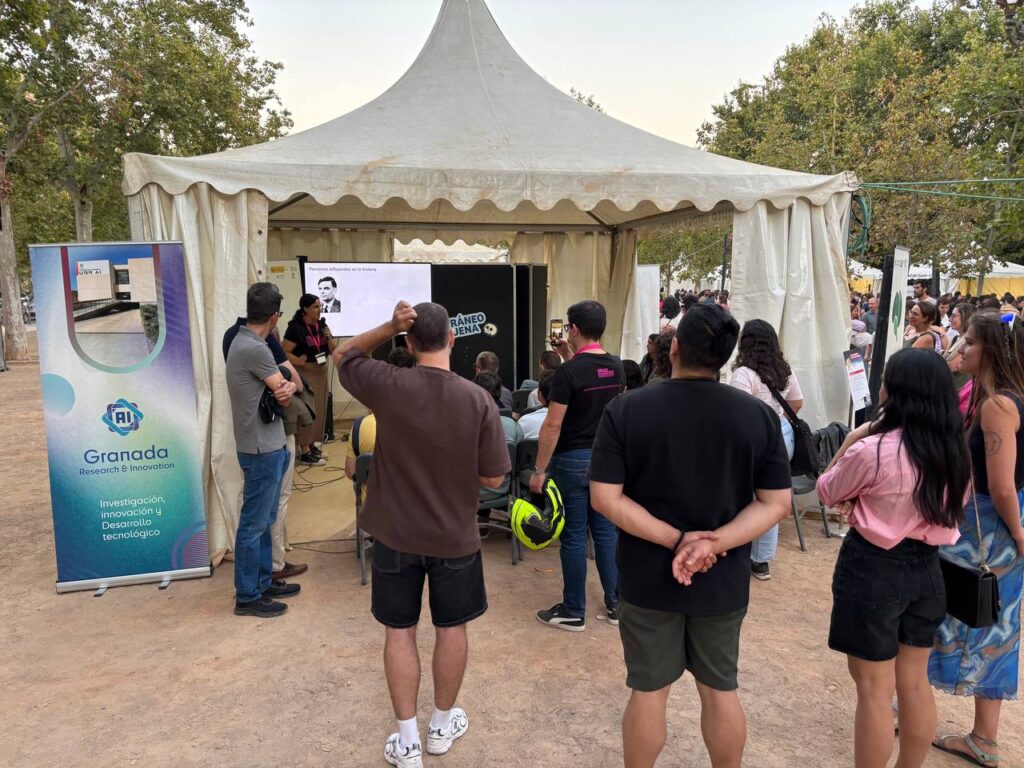
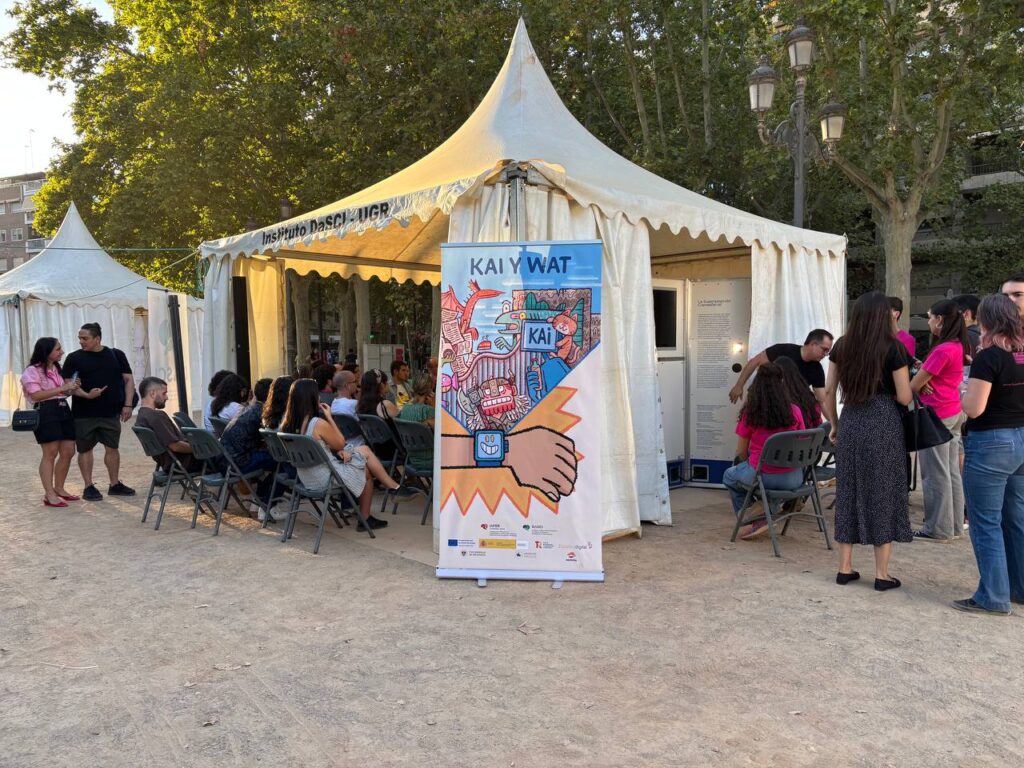
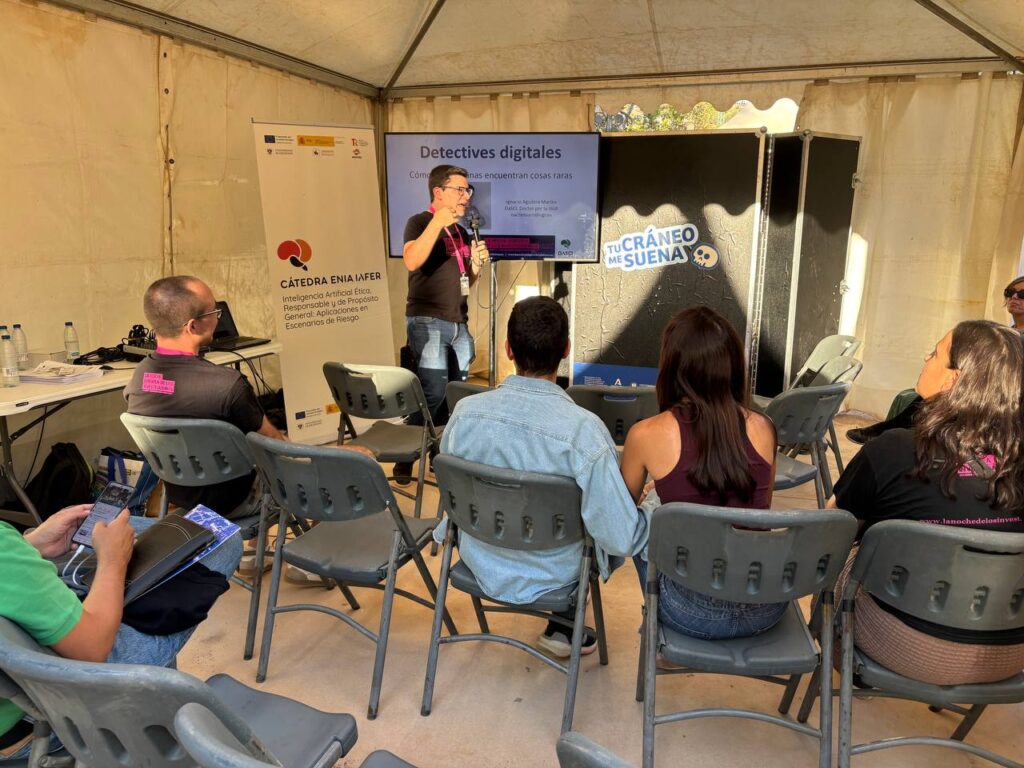
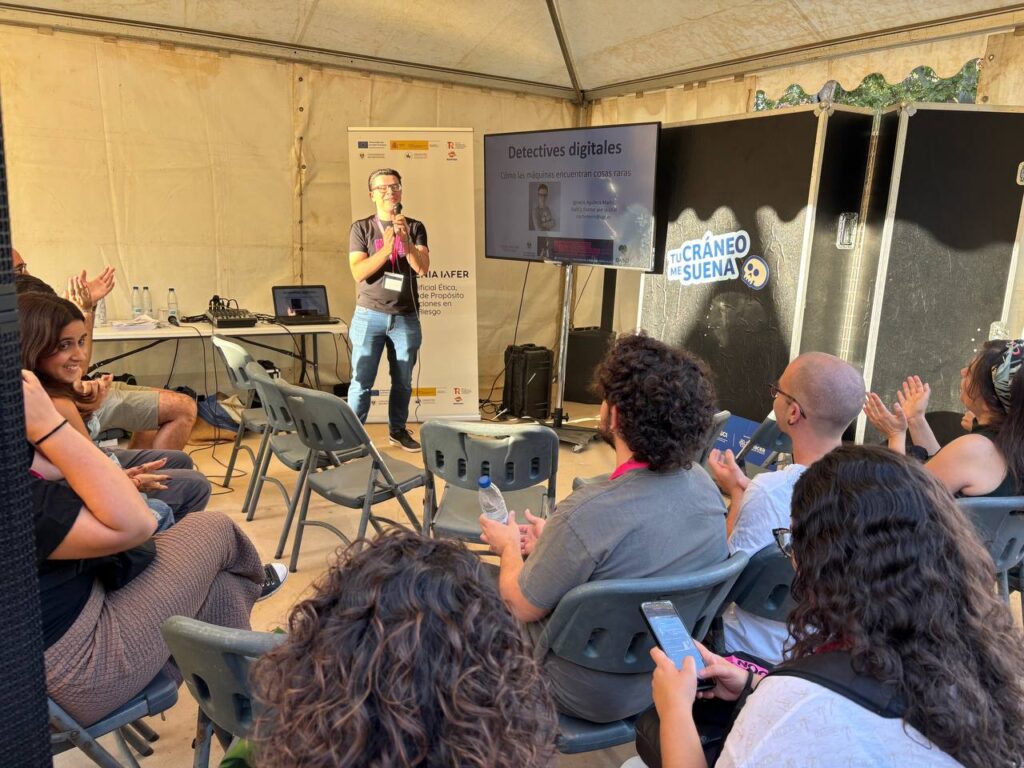
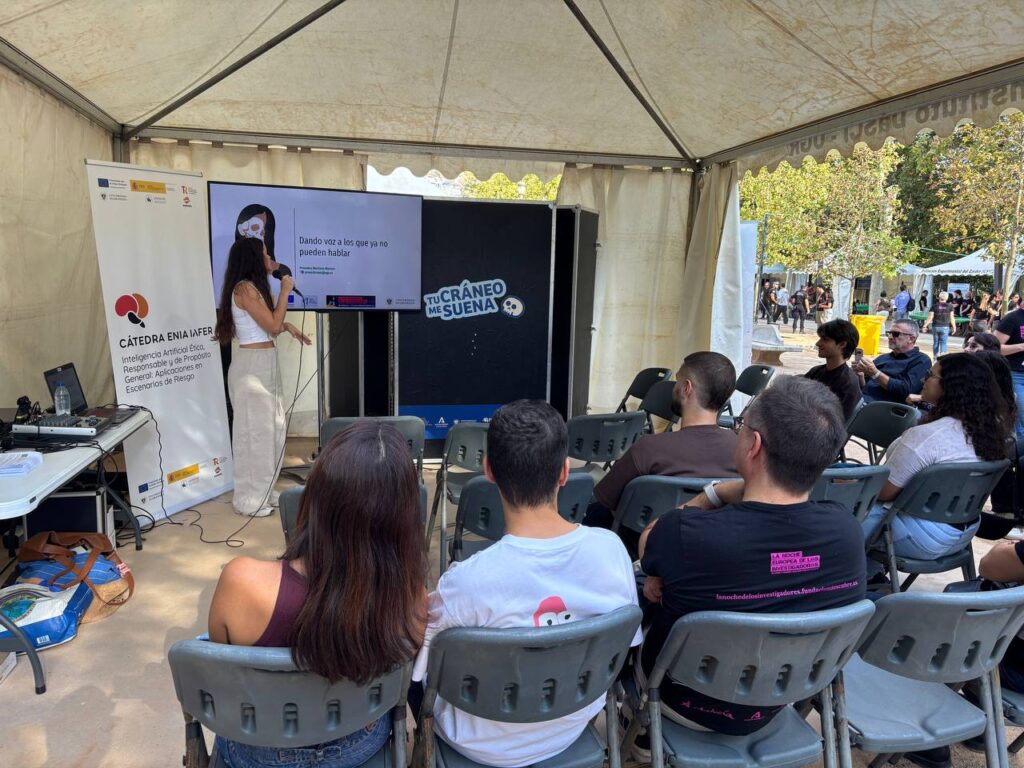
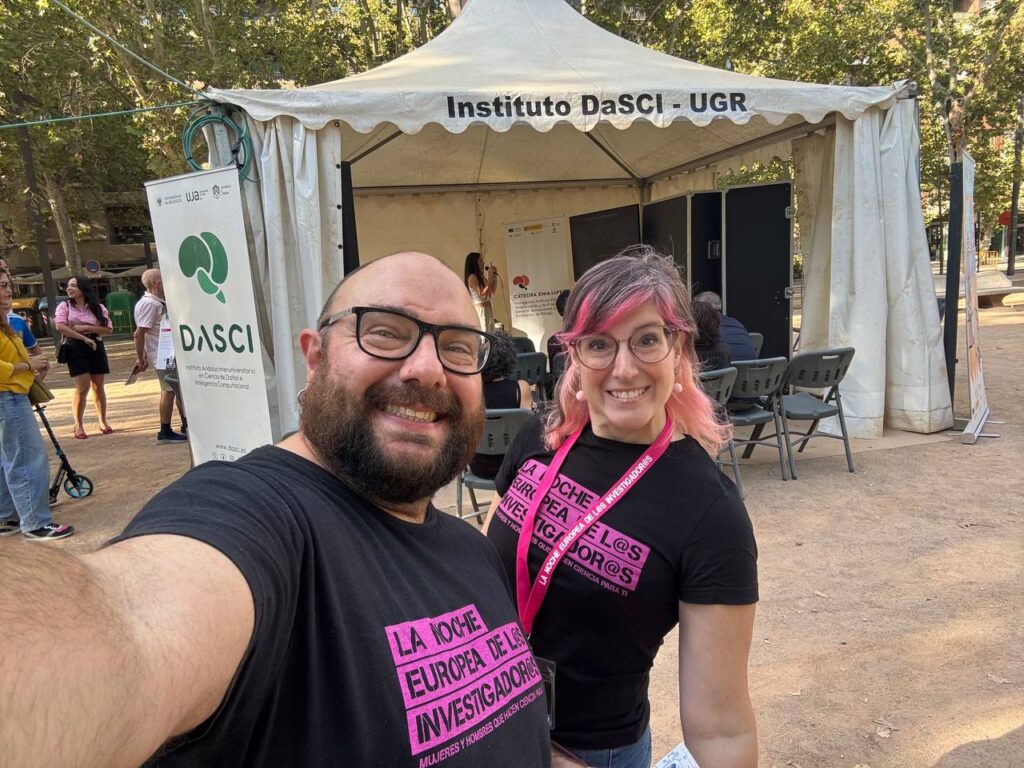
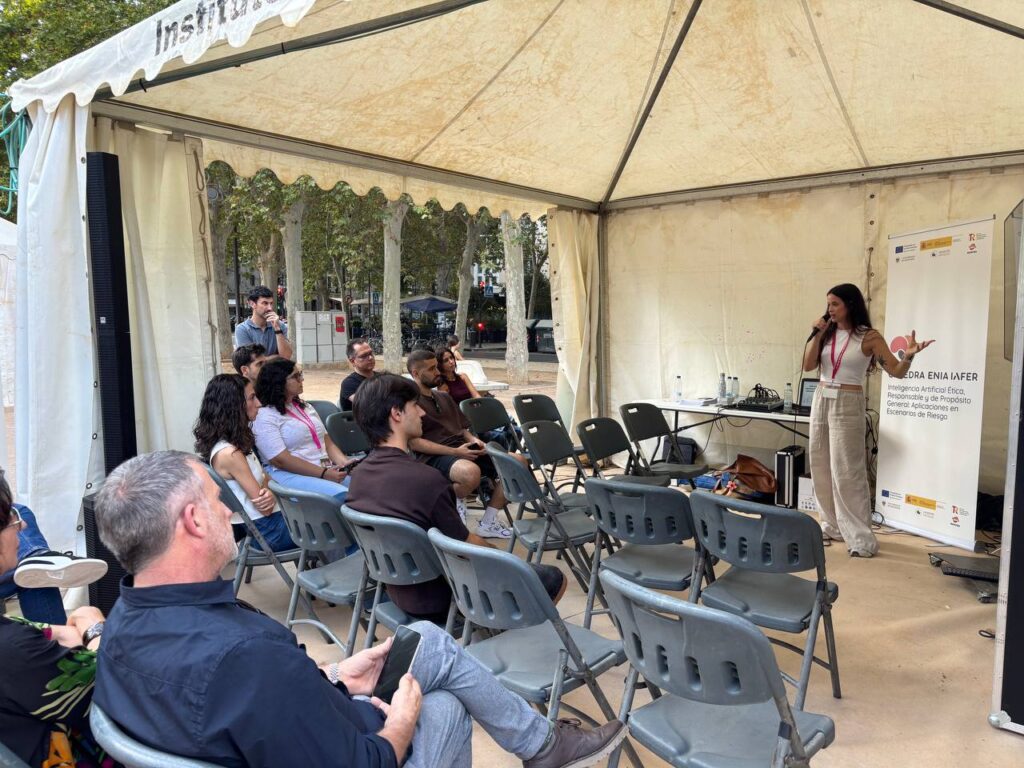
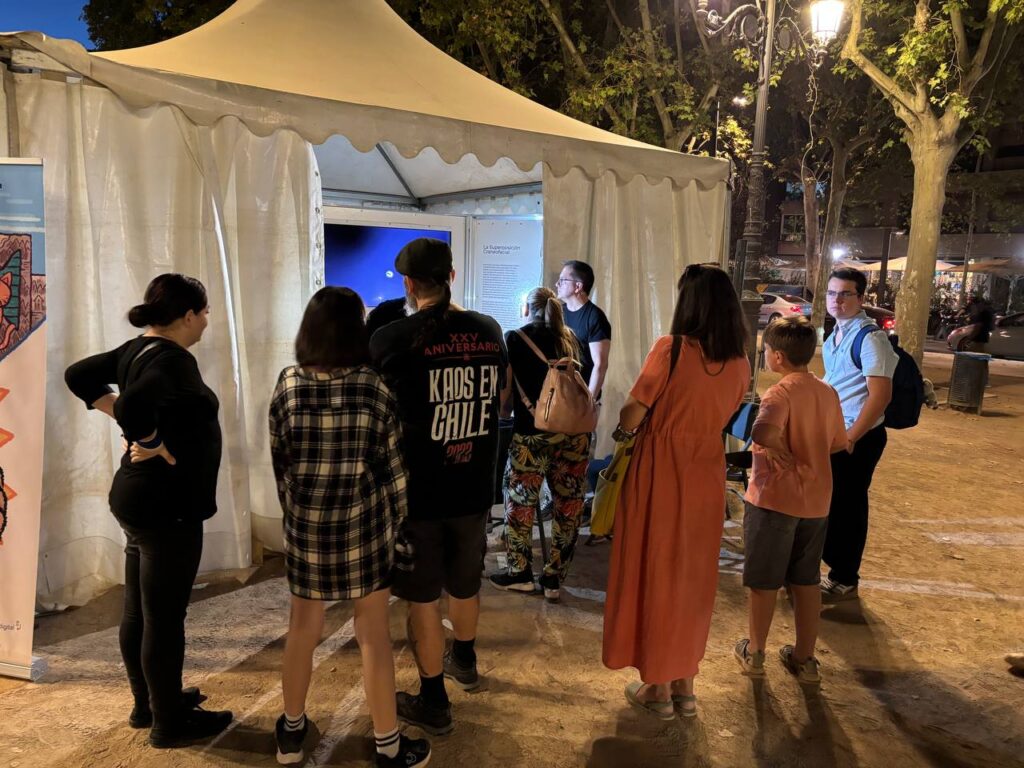
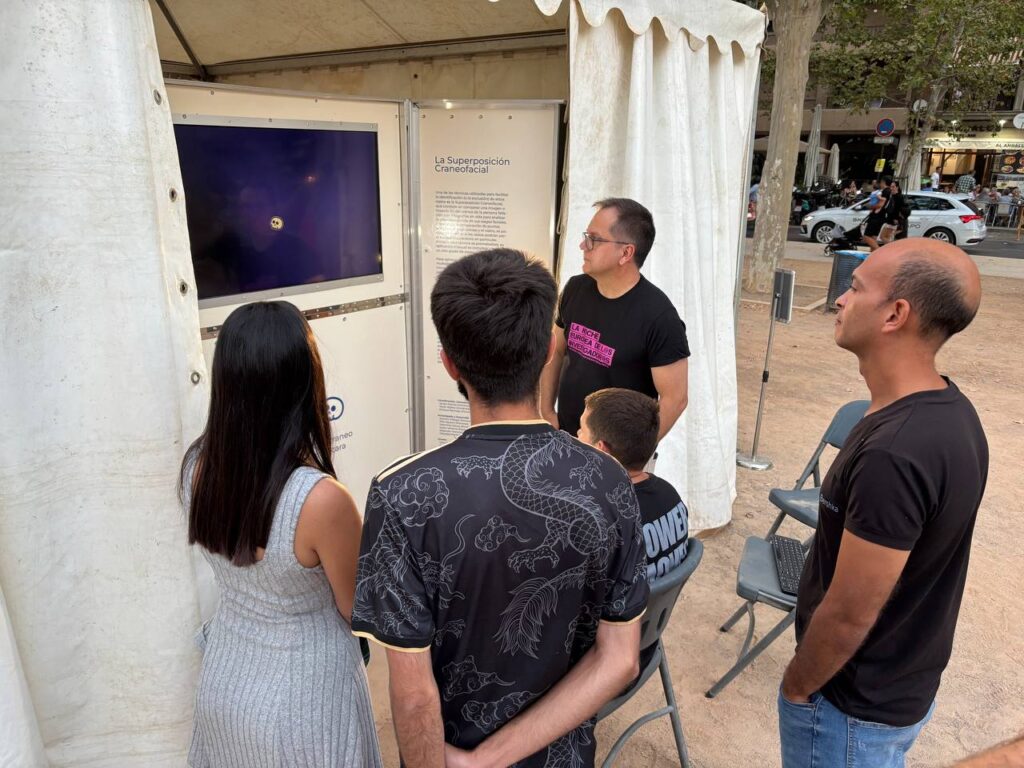
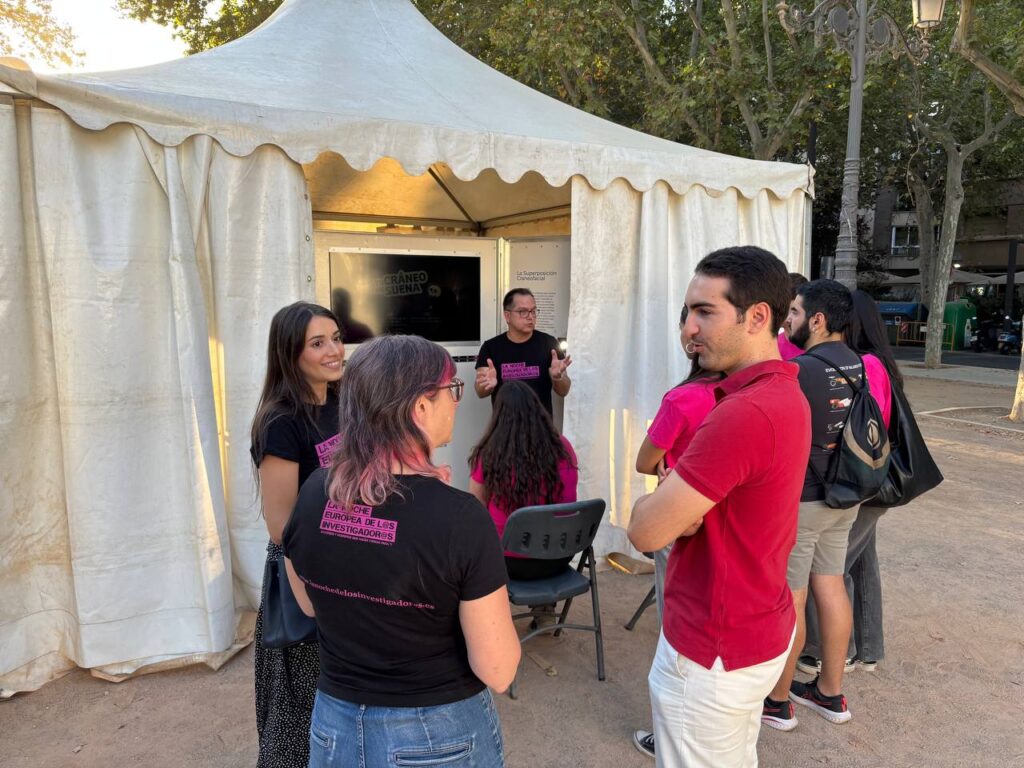
Additionally, our colleague Sergio Damas showcased the module Your Skull Sounds Familiar throughout the afternoon, explaining the concept of craniofacial superimposition to audiences of all ages.
🎙️ Live Podcast: SintonIA
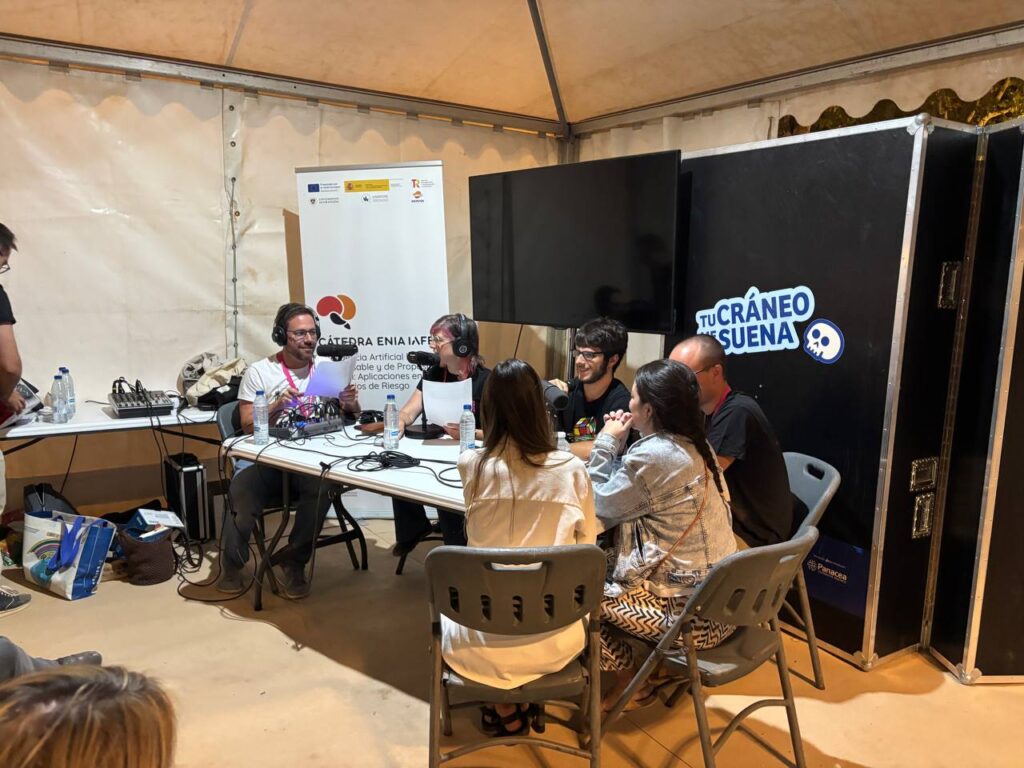
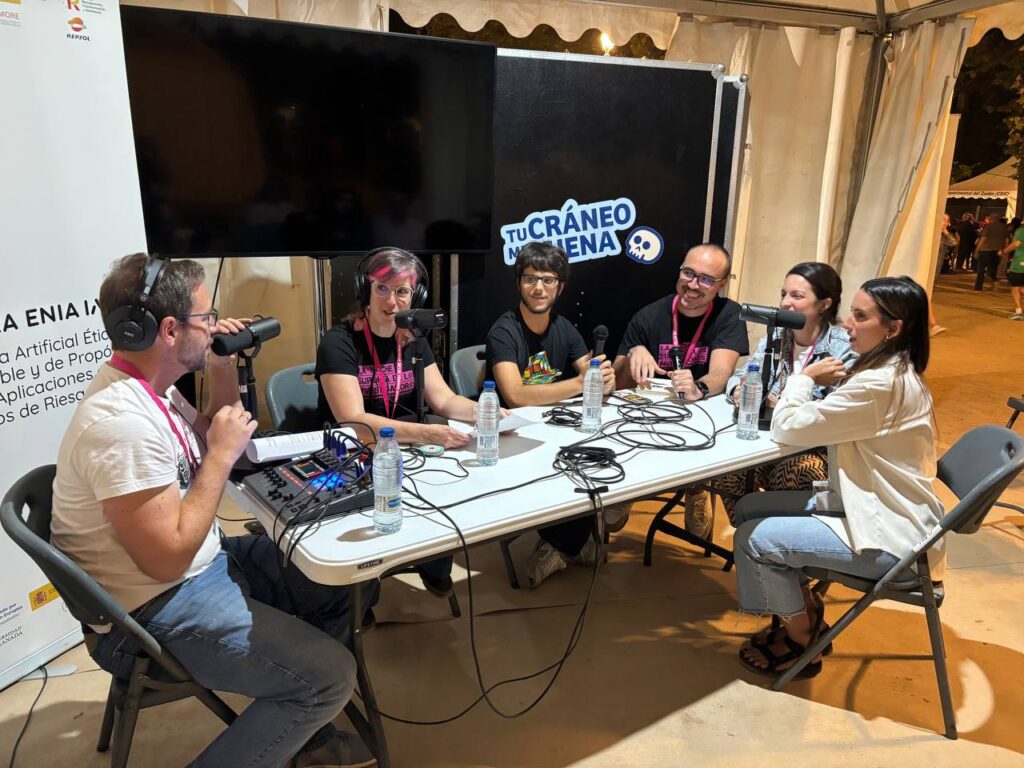
The day concluded with the live recording of the first episode of the sixth season of the podcast SintonIA, titled “What Can’t AI Do?”. Four researchers from the University of Granada took part:
- María Cobos and Cristina Narganes (Cognitive Neuroscience) – CIMCYC Center
- Carlos Peláez and Iván Sevillano (Computer Science)
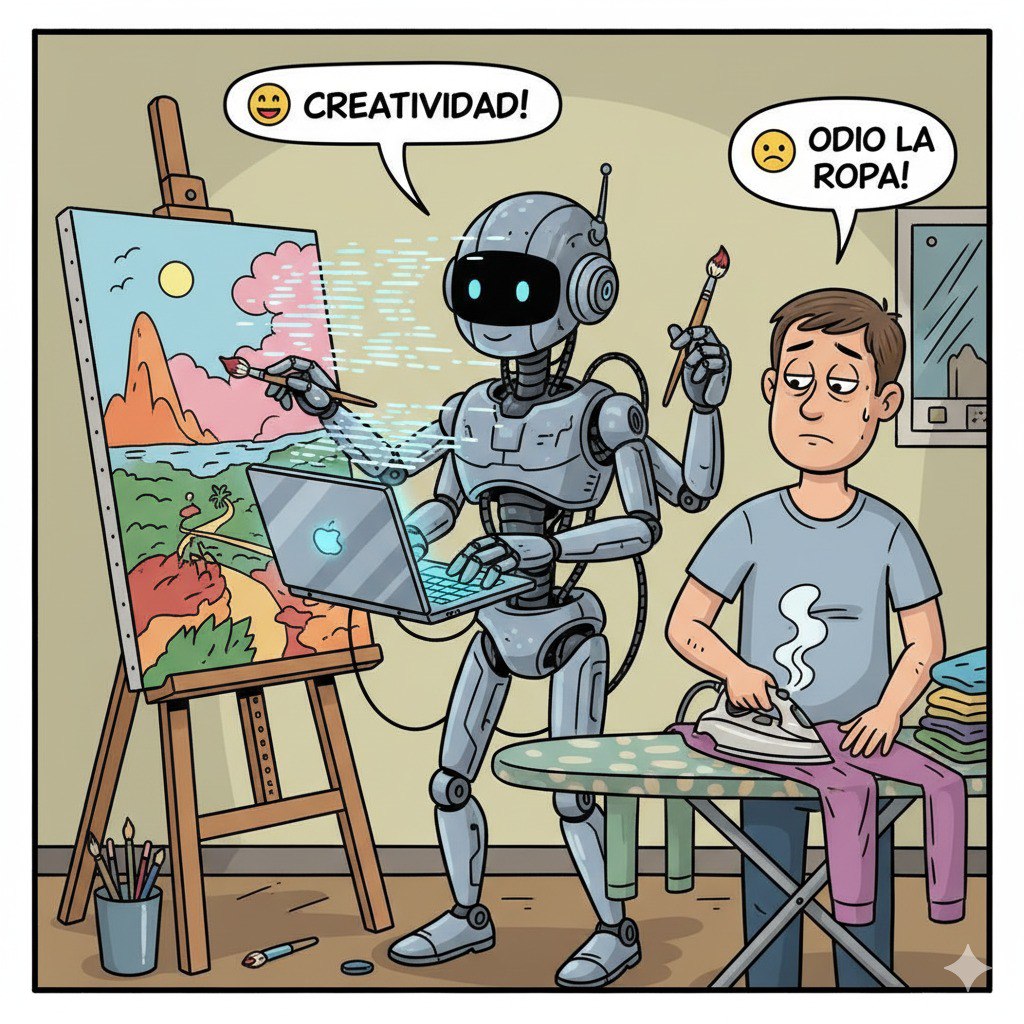
In an engaging and insightful discussion, the limits of AI were explored, highlighting that this technology cannot replace human experience, empathy, or interpersonal relationships. Legal restrictions that prevent its use in sensitive areas were also addressed, underscoring the importance of ethical and regulated AI.
🧠 Science, Commitment, and Connection
The participation of the DaSCI Institute in the European Researchers’ Night 2025 was a resounding success, with a large turnout and an excellent reception of all activities. It was a clear demonstration of the center’s commitment to scientific outreach, the training of new generations, and the development of responsible artificial intelligence that serves society.
Participation in the Researchers’ Night was made possible thanks to the project “Ethical, Responsible, and General-Purpose Artificial Intelligence: Applications in Risk Scenarios (IAFER)” (Ref.: TSI-100927-2023-1), funded through the creation of university-business chairs (Cátedras Enia), aimed at research and development in artificial intelligence, as well as its dissemination and training within the framework of the European Recovery, Transformation and Resilience Plan, financed by the European Union – Next Generation EU.