


New AI Generative Satellite Imagery Models: Towards More Realistic and Reliable Visualisations of Climate Change
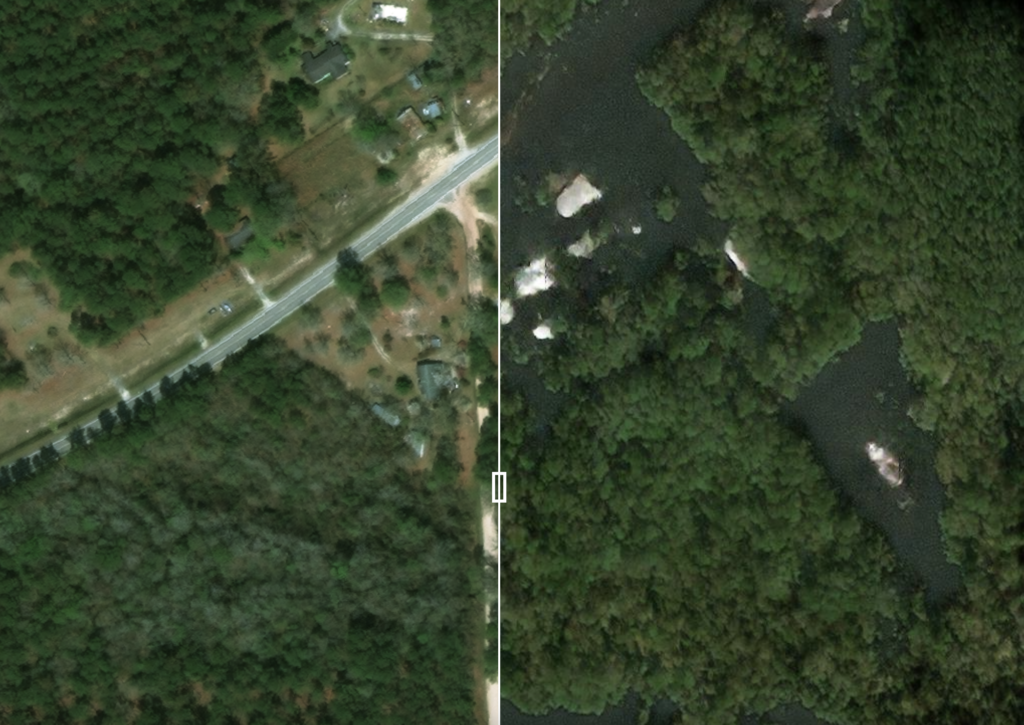
Method could help communities visualise and prepare for upcoming storms
University of Granada researcher Natalia Díaz is collaborating with MIT, among others, to generate new models for visualising natural disasters that are more realistic and reliable.
La investigadora de la Universidad de Granada Natalia Díaz colabora con el MIT, entre otras entidades, para generar nuevo modelos de visualización de desastres naturales que sean más realistas y confiables
UGR researchers create an autonomous AI problem generator capable of improving map applications and video game design.
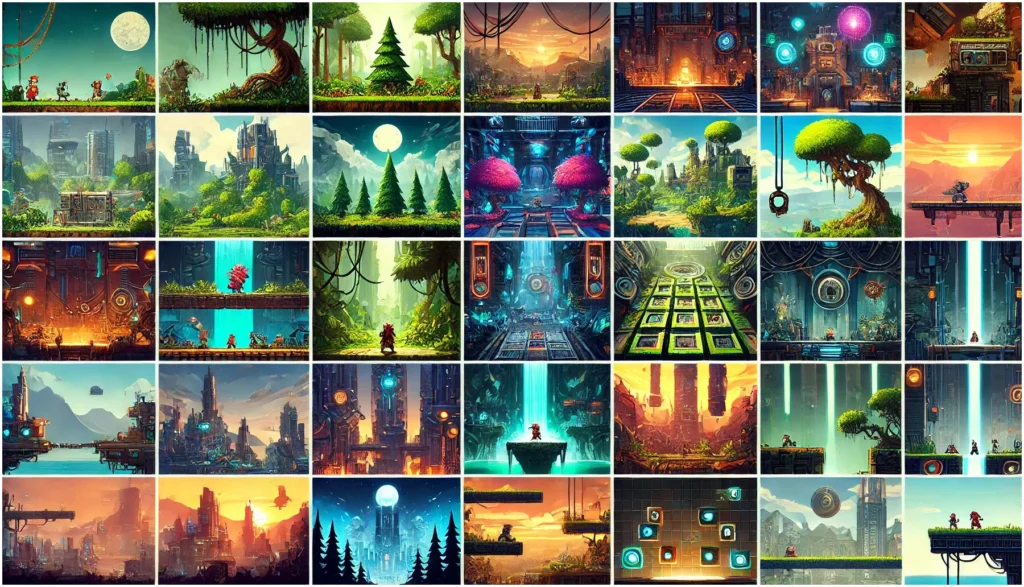
In the field of artificial intelligence, automatic planning requires a number of specific problems to advance research and model development.
UGR coordinates a manual on explainable artificial intelligence to improve transparency and trust in AI

The UGR has coordinated the development of a handbook that seeks to strengthen trust, accountability and fairness in AI applications in sectors such as health, finance and law. This resource provides a way to verify and certify the results of complex models and contributes to the development of AI systems that are not only effective, but also understandable and fair.
Nobel Prizes in Physics and Chemistry for applied Artificial Intelligence tools
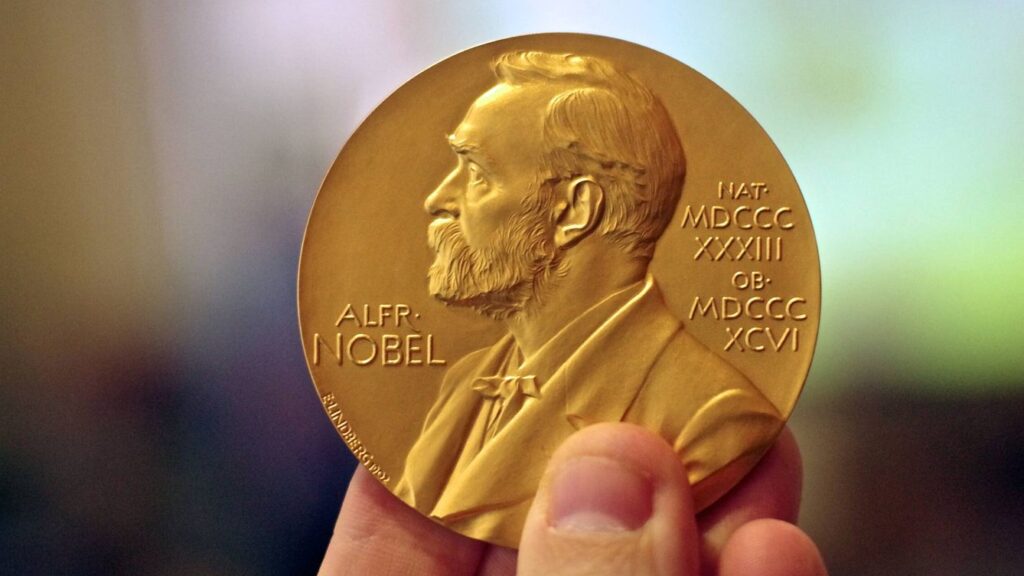
Este año, la Real Academia de las Ciencias de Suecia anunció, por un lado, el Premio Nobel de Física ex aequo para dos investigadores de inteligencia artificial (IA), Jonh Hopfield (Universidad de Princeton) y Geoffrey E. Hinton (Universidad de Toronto) y, por el otro, el Premio Nobel de Química 2024 compartido entre David Baker (Universidad de Washington) por el diseño computacional de proteínas y, de forma conjunta, a Demis Hassabis y John Jumper (Google DeepMind) por la predicción de estructuras de proteínas.