


Key biomarkers discovered for early detection of Alzheimer’s in people with Down’s syndrome
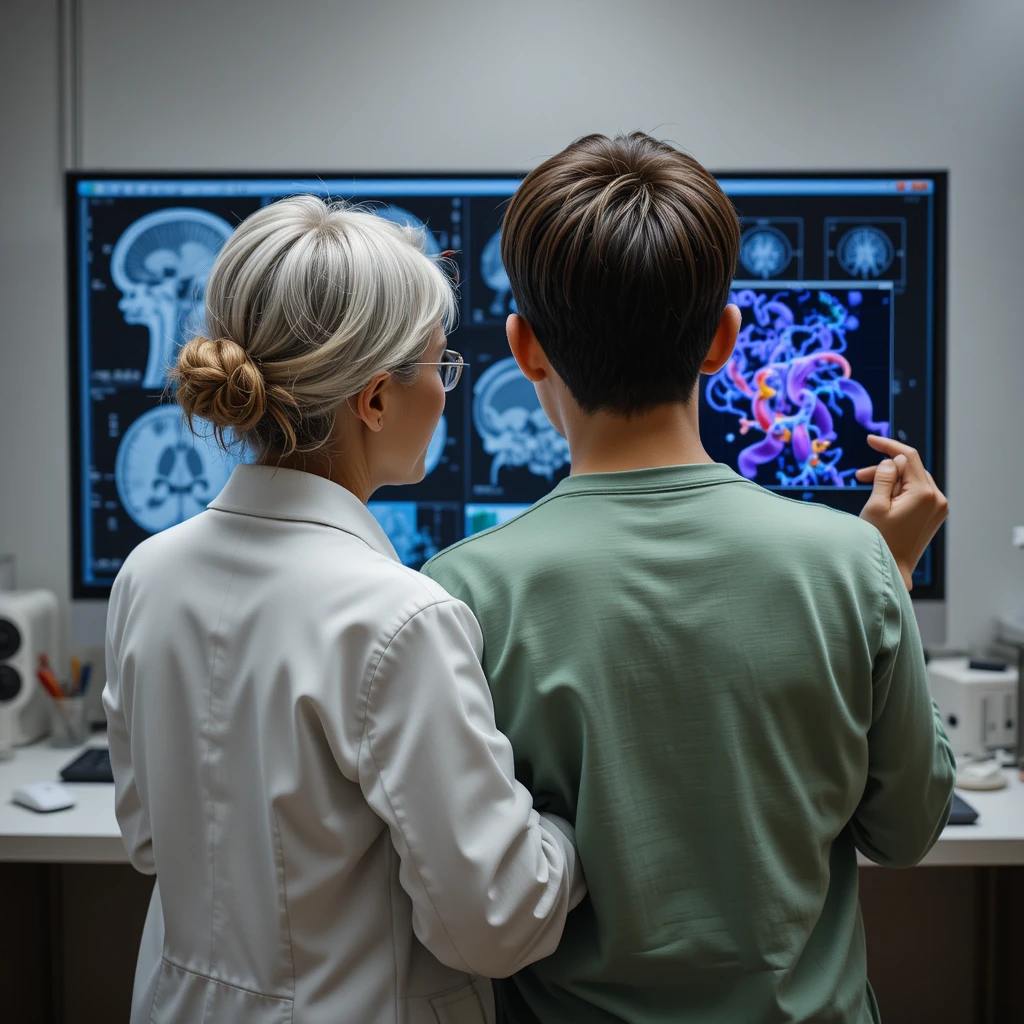
UGR scientists participate in an international study that has identified 15 proteins in blood that may function as early indicators of the development of the disease
Reduce and explain BERT. New green AI technique improves efficiency of language models

A team of researchers at the University of Granada has developed an innovative methodology for the compression of BERT-based language models. The approach, called Persistent BERT Compression and Explainability (PBCE), uses persistent homology to identify and eliminate redundant neurons, achieving a reduction in model size of up to 47% in BERT Base and 42% in BERT Large without significantly affecting the accuracy of natural language processing (NLP) tasks.
ADIA Lab and DaSCI-UGR launch the 2nd International Summer School on “Explainable AI”
May 19 to May 30, 2025 After a successful 2024 edition, ADIA Lab’s Summer School on Explainable AI returns to Granada from May 19–30, 2025! Top master’s and PhD students from Europe and the Middle East will dive into trustworthy AI with leading experts. This year, we’re focusing on fewer, more in-depth sessions for deeper […]
Deciphering the Airbnb market: DaSCI-UGR researchers use AI to analyse the Canary Islands’ accommodation sector

According to the results of the study, accommodations managed by large operators show a lower economic performance compared to individual properties. Researchers from the DaSCI institute of the University of Granada, together with scientists from the University of Las Palmas de Gran Canaria, have developed a decision support system (DSS) based on social network analysis […]
“Health & AI” Workshop ENIA IAFER Project
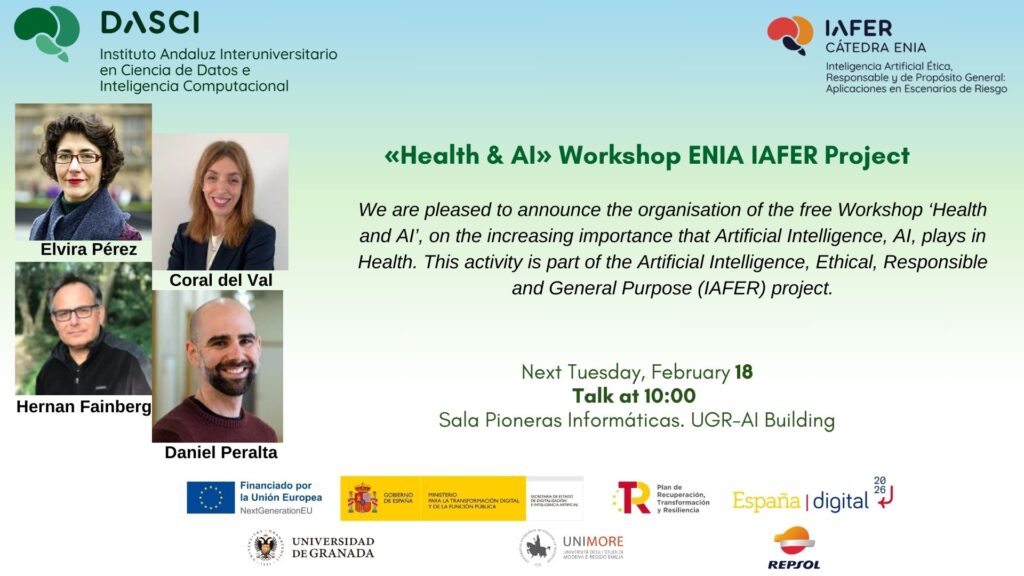
We are pleased to announce the organisation of the free Workshop ‘Health and AI’, on the increasing importance that Artificial Intelligence, AI, plays in Health. This activity is part of the Artificial Intelligence, Ethical, Responsible and General Purpose (IAFER) project. It will be held in person at the UGR-AI Building in the PTS on Tuesday […]
11 FEB – Day of Women and Girls in Science. DaSCI Edition 2025

On 11 February we commemorate the International Day of Women and Girls in Science, a key day to highlight the role of women in science and technology, as well as to promote equal opportunities in these disciplines. In Spain, the central theme this year will be mental health, a fundamental aspect both for the well-being […]
The 3rd PTS Granada Research Congress rewards the most innovative research for its contribution to the advancement of knowledge in the life and health sciences.
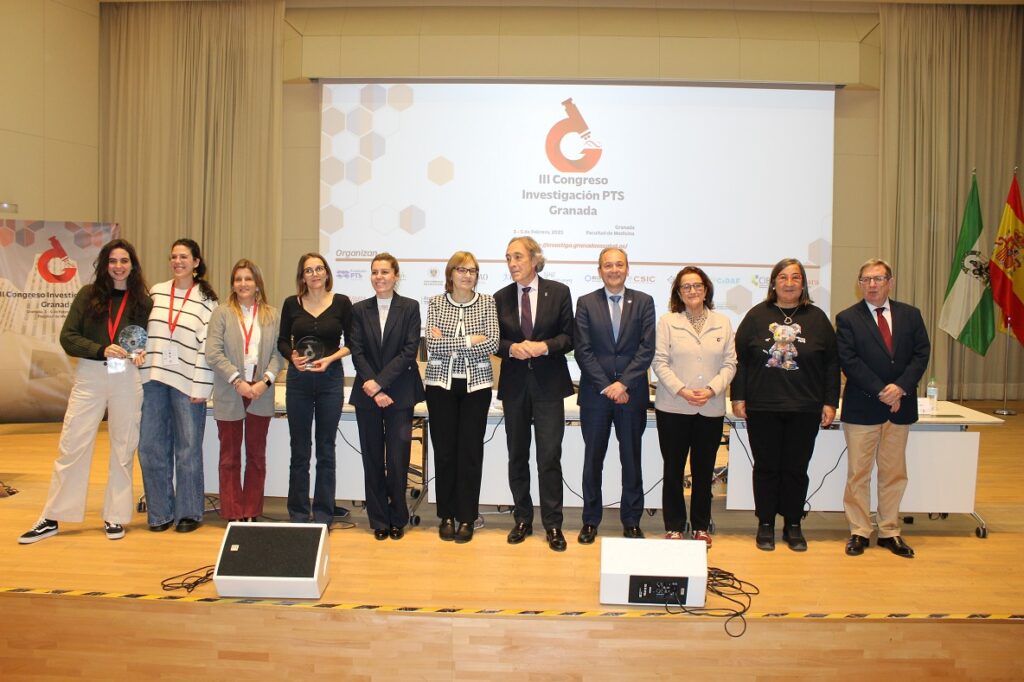
A meeting in which more than 400 attendees were able to learn about the latest research in biomedicine and biotechnology, connect with other experts and hold B2B meetings.
DaSCI-UGR researchers use artificial intelligence to promote emissions reduction in maritime transport

The use of agent-based simulations reveals which incentives can multiply the adoption of green technologies in the shipping sector, reducing greenhouse gas emissions.
Natalia Díaz, awarded by the Royal Academy of Engineering for her contributions in Artificial Intelligence
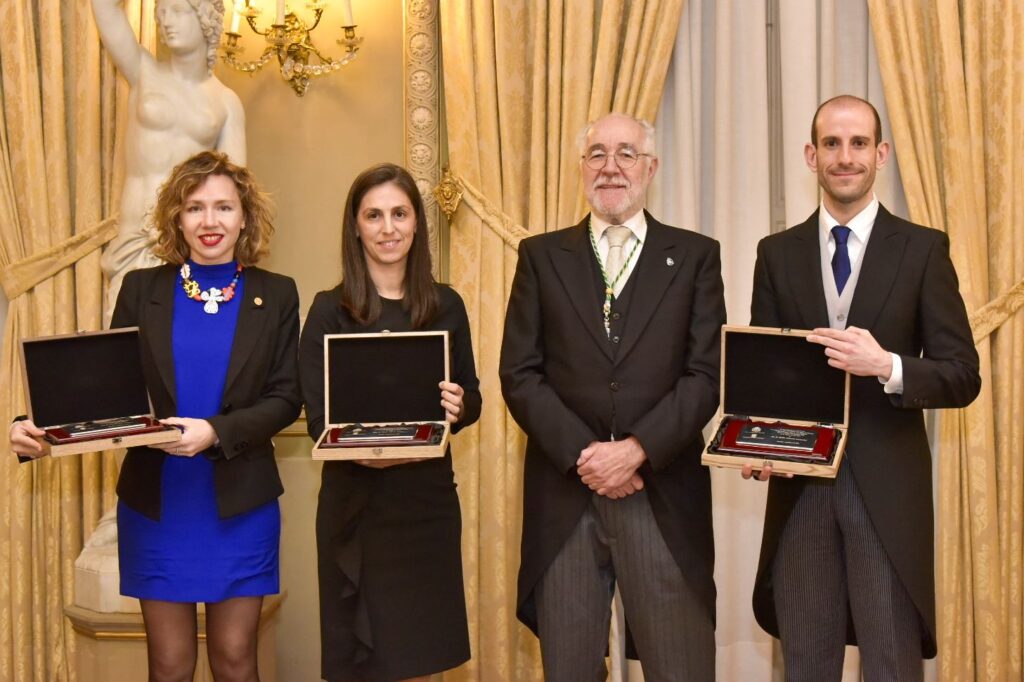
The researcher Natalia Díaz Rodríguez, professor in the Department of Computer Science and Artificial Intelligence at the University of Granada, has been awarded the ‘Juan López de Peñalver’ prize in the 2024 edition of the Young Researchers Awards of the Royal Academy of Engineering. This recognition highlights her contributions in the application of Artificial Intelligence […]
Researchers from our centre awarded the ‘Juan Antonio García Torres’ prize
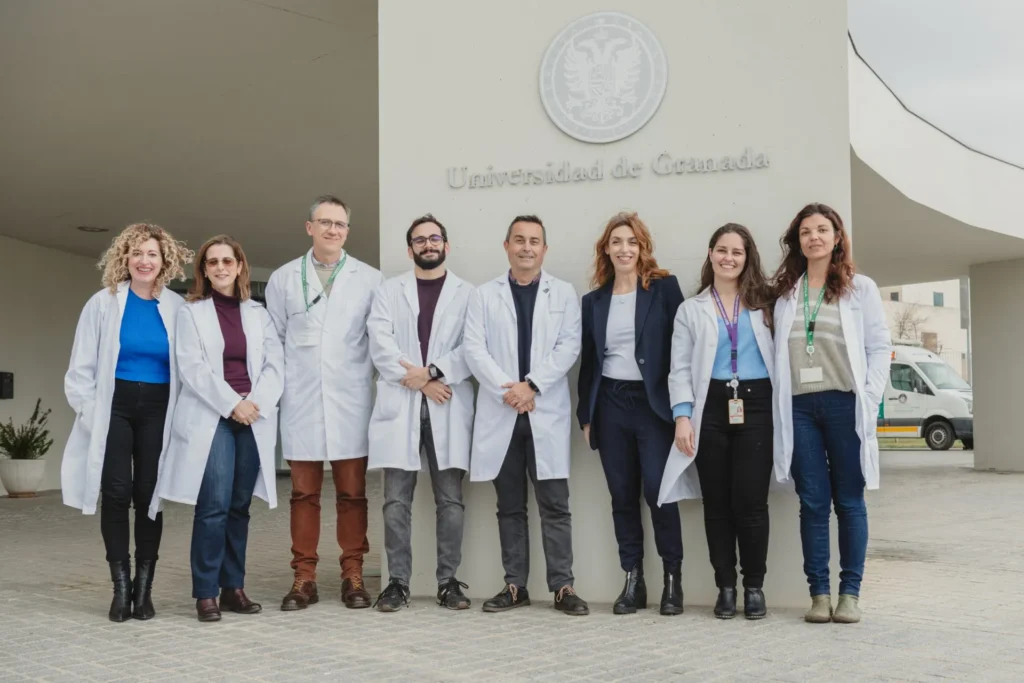
The prestigious ‘Juan Antonio García Torres’ prize, organised by the Royal Academy of Medicine and Surgery of Eastern Andalusia in collaboration with the Official College of Physicians of Granada, has recently been awarded to the work entitled ‘Identification of novel biomarkers in the early diagnosis of malignant melanoma by untargeted liquid chromatography coupled to high-resolution […]