


Bridges of Science: Research as a tool for cultural union
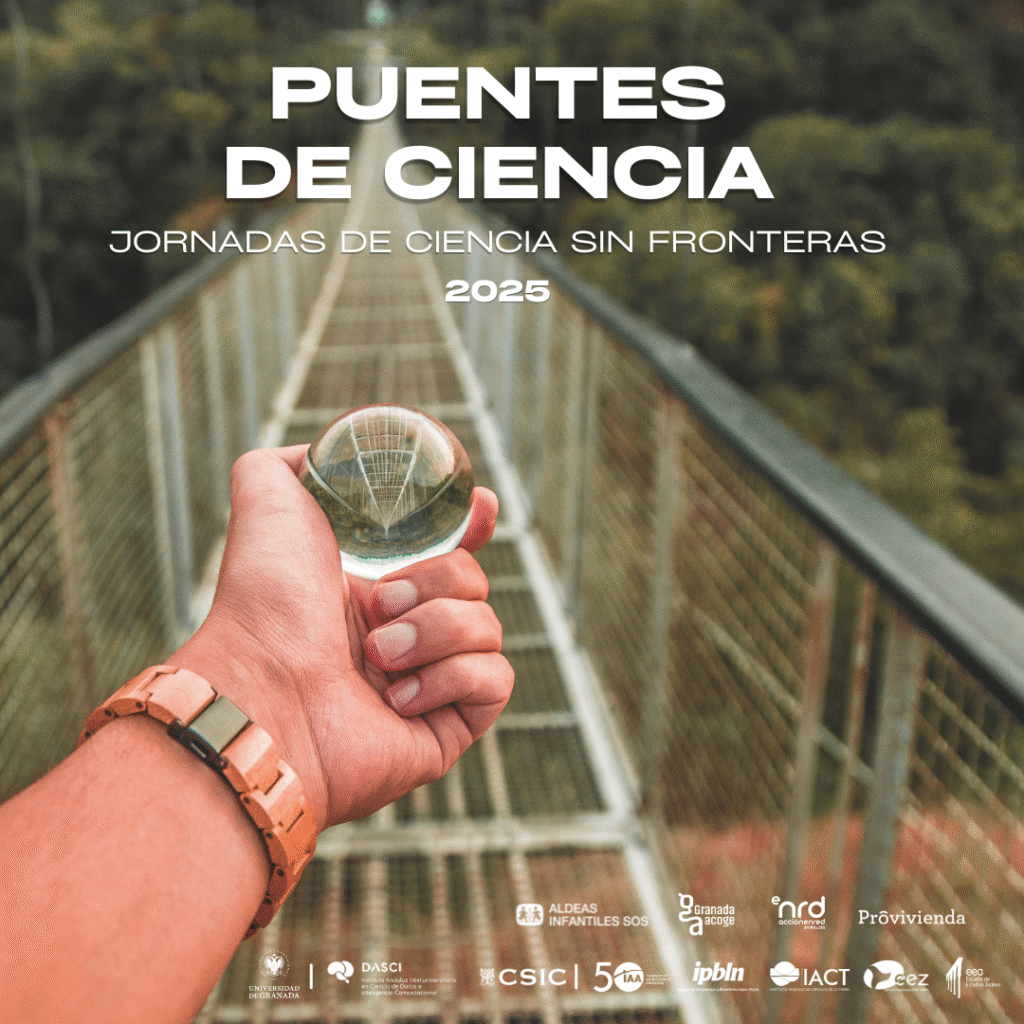
“Puentes de Ciencia” es un programa de divulgación científica inclusiva que busca acercar la investigación realizada en los centros del CSIC en Granada y el Instituto DaSCI de la Universidad de Granada a colectivos en riesgo de exclusión social. Nacido como un programa piloto en 2024 bajo el lema “Jornadas de cultura científica sin fronteras”, este proyecto ha demostrado el poder de la ciencia como lenguaje universal para conectar culturas y promover la integración.
The UGR develops FLEX, an artificial intelligence tool at the service of privacy
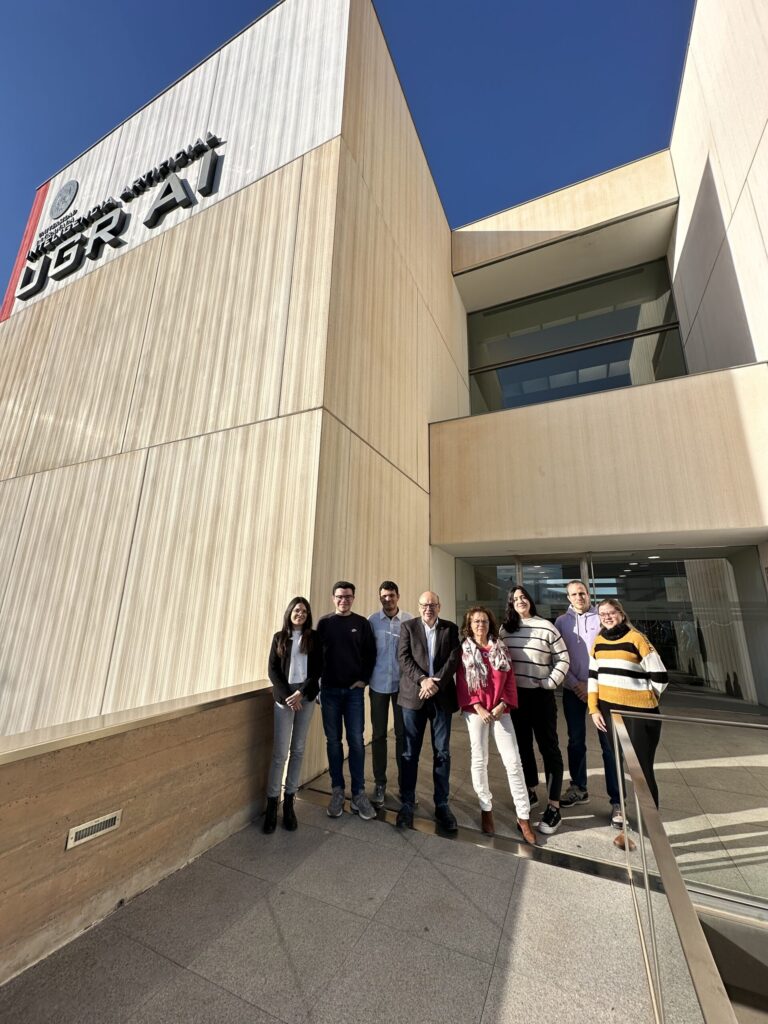
La UGR y el Instituto Nacional de Ciberseguridad (INCIBE) han creado FLEX, una aplicación de inteligencia artificial que redefine la forma en que las máquinas aprenden de los datos, sin comprometer la privacidad de los usuarios. Este avance resulta fundamental para respetar dicha privacidad y cumplir con las normas que la regulan.
AI tool developed to anticipate metabolic risks in obese children
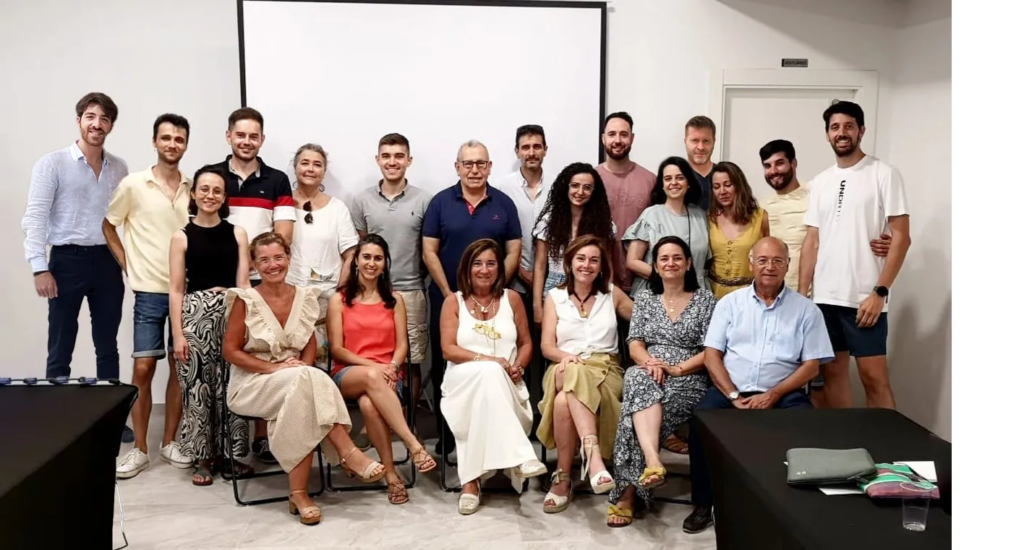
The work is part of the EprObes (‘Early Prevention of Obesity’) project coordinated by the CIBER and in which UGR researchers participate, including 3 from the DaSCI institute. It has been published in the journal ‘Artificial Intelligence in Medicine’. The AI model uses clinical and epigenetic data to personalise the prediction of metabolic risks, allowing […]
Francisco Herrera, an example of the best of the province according to IDEAL’s editorial board

The editorial staff of IDEAL has selected, as it does every year, five people or groups who have stood out throughout 2024 for their contribution to society, science or for their outstanding achievements. These figures, representative of the best of Granada, will be recognised with the award that bears the name of this newspaper, an award that is now in its 37th edition.
New AI Generative Satellite Imagery Models: Towards More Realistic and Reliable Visualisations of Climate Change
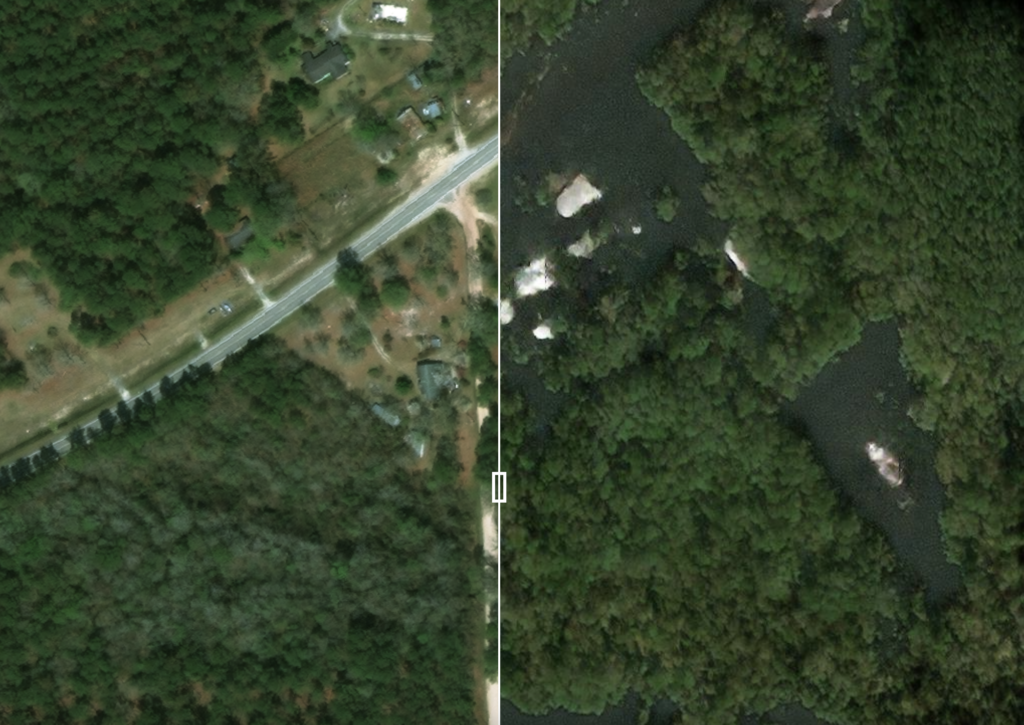
Method could help communities visualise and prepare for upcoming storms
University of Granada researcher Natalia Díaz is collaborating with MIT, among others, to generate new models for visualising natural disasters that are more realistic and reliable.
La investigadora de la Universidad de Granada Natalia Díaz colabora con el MIT, entre otras entidades, para generar nuevo modelos de visualización de desastres naturales que sean más realistas y confiables
UGR researchers create an autonomous AI problem generator capable of improving map applications and video game design.
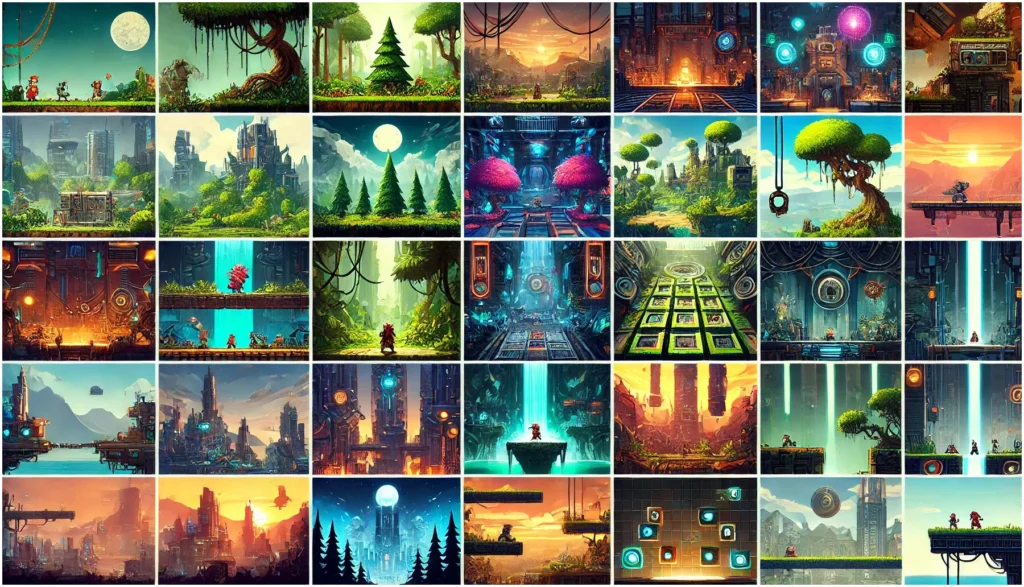
In the field of artificial intelligence, automatic planning requires a number of specific problems to advance research and model development.
UGR coordinates a manual on explainable artificial intelligence to improve transparency and trust in AI

The UGR has coordinated the development of a handbook that seeks to strengthen trust, accountability and fairness in AI applications in sectors such as health, finance and law. This resource provides a way to verify and certify the results of complex models and contributes to the development of AI systems that are not only effective, but also understandable and fair.
Nobel Prizes in Physics and Chemistry for applied Artificial Intelligence tools
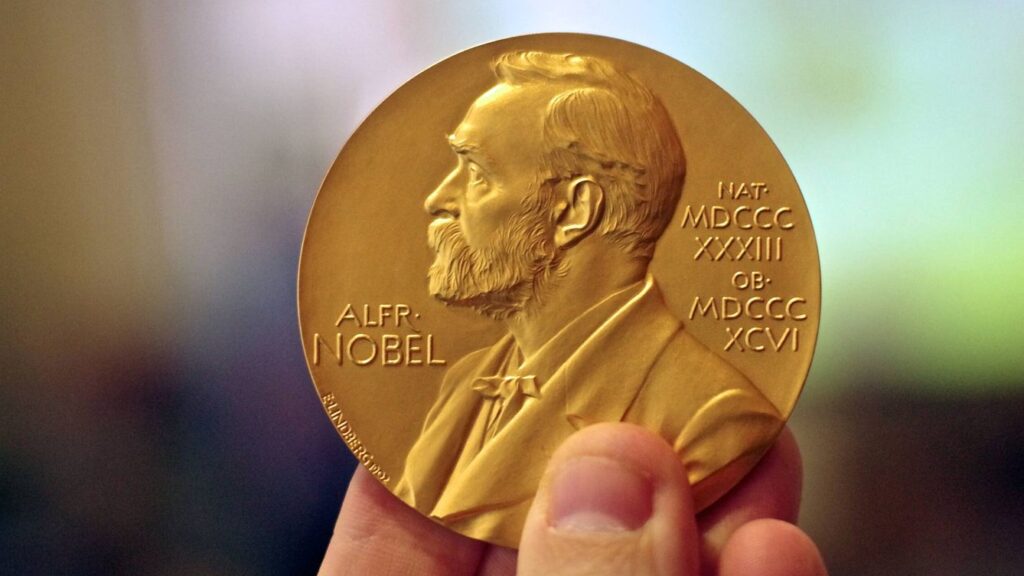
Este año, la Real Academia de las Ciencias de Suecia anunció, por un lado, el Premio Nobel de Física ex aequo para dos investigadores de inteligencia artificial (IA), Jonh Hopfield (Universidad de Princeton) y Geoffrey E. Hinton (Universidad de Toronto) y, por el otro, el Premio Nobel de Química 2024 compartido entre David Baker (Universidad de Washington) por el diseño computacional de proteínas y, de forma conjunta, a Demis Hassabis y John Jumper (Google DeepMind) por la predicción de estructuras de proteínas.
Launch of the university-industry research program (ENIA programs) in Artificial Intelligence in collaboration with Repsol
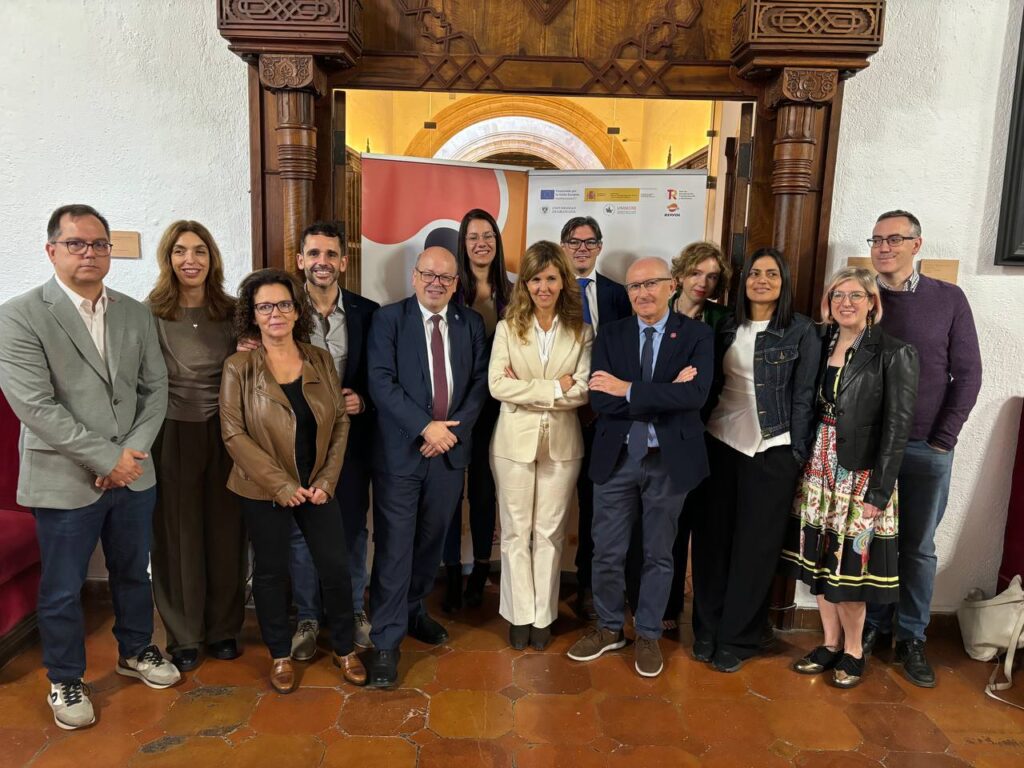
The Research Program will focus on the importance of the ethical dimension of AI and its impact on privacy, fundamental rights and security.
The institution plans to create a ‘reliable’, general-purpose AI platform and to research Risk Scenario Applications.
Nobel Prize in Physics for foundational work on deep learning with artificial neural networks
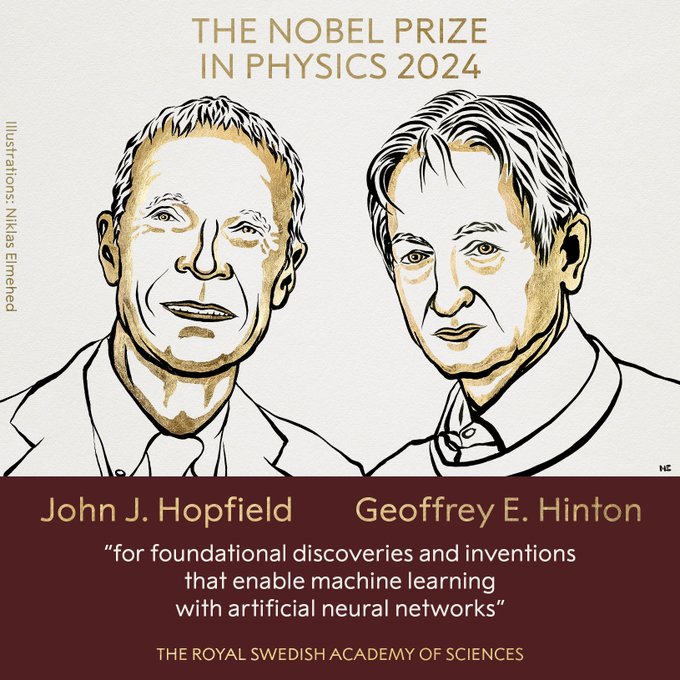
The Royal Swedish Academy of Sciences has decided to award the 2024 #NobelPrize in Physics to John J. Hopfield and Geoffrey E. Hinton ‘for fundamental discoveries and inventions enabling machine learning with artificial neural networks’. Hinton ‘for fundamental discoveries and inventions enabling machine learning with artificial neural networks’. Fellow journalist Antonio Martínez Ron has been […]