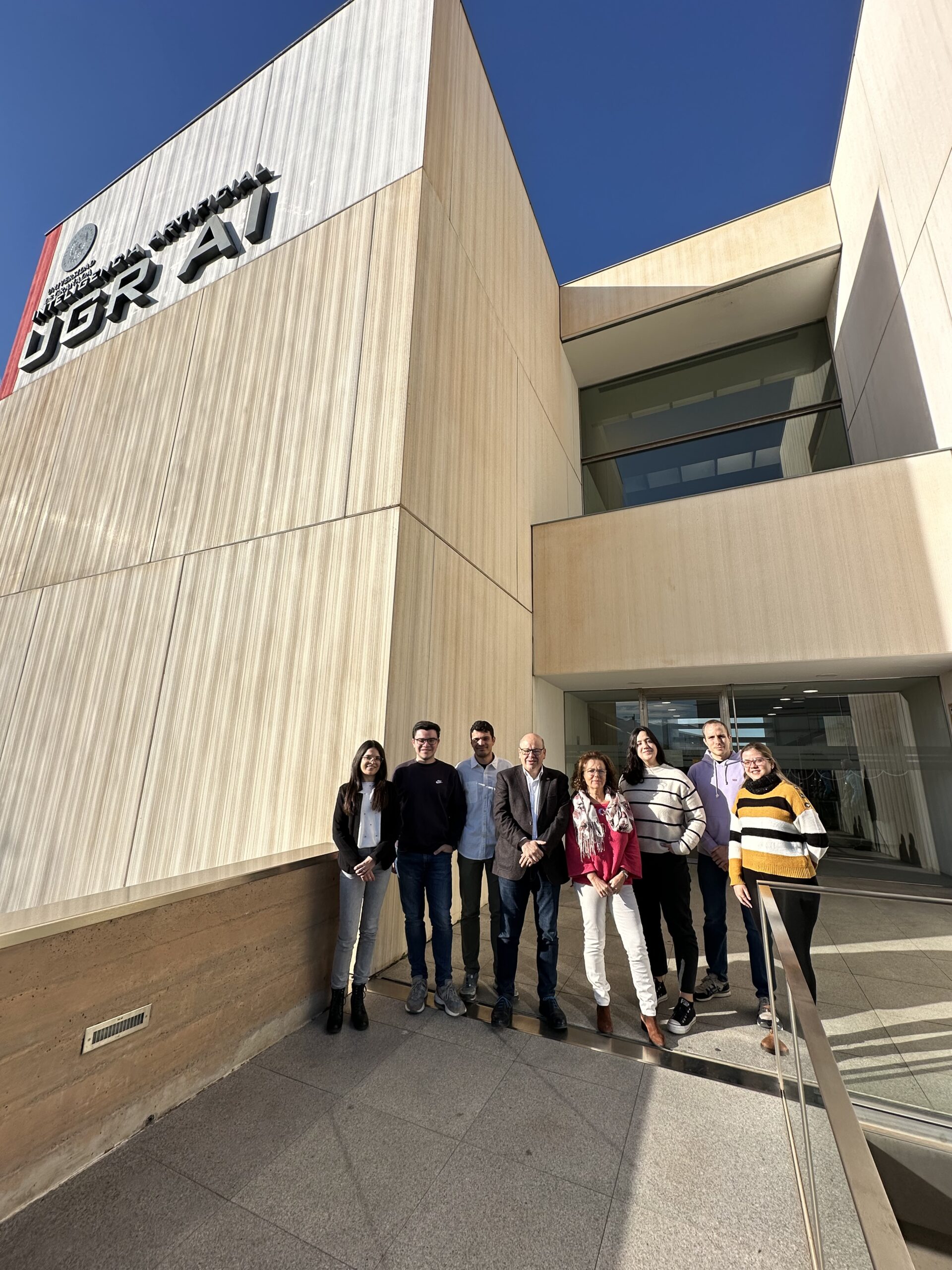
This application has been designed for researchers, companies and institutions.
The UGR and the National Institute of Cybersecurity (INCIBE) have created FLEX, an artificial intelligence application that redefines the way in which machines learn from data, without compromising users’ privacy. This advance is essential to respect privacy and comply with the rules that regulate it.
This solution makes use of federated learning (FL), an emerging technique that allows artificial intelligence models to be trained directly on local devices, avoiding the transfer of sensitive data to central servers. FLEX takes this technology to the next level, providing a modular, open source platform that complies with stringent international regulations.
Instead of sending data to a central server, FLEX allows artificial intelligence models to learn directly on local devices, such as mobiles or computers, sending only anonymised information. This approach ensures that personal data never leaves its place of origin, aligning with privacy requirements. ‘Our vision with FLEX is clear: to demonstrate that technology can be innovative and ethical at the same time,’ says Nuria Rodríguez, from the development team at the University of Granada.
FLEX is designed for researchers, companies and institutions. It allows personalised data distribution, the use of advanced privacy parameters and the development of optimised communication strategies. In addition, it includes specific libraries for applications such as anomaly detection, blockchain use, attack and defence analysis, natural language processing and algorithms based on decision trees. These functionalities allow its implementation in sectors as diverse as banking, where privacy is key, and healthcare, where handling sensitive patient data is a priority.
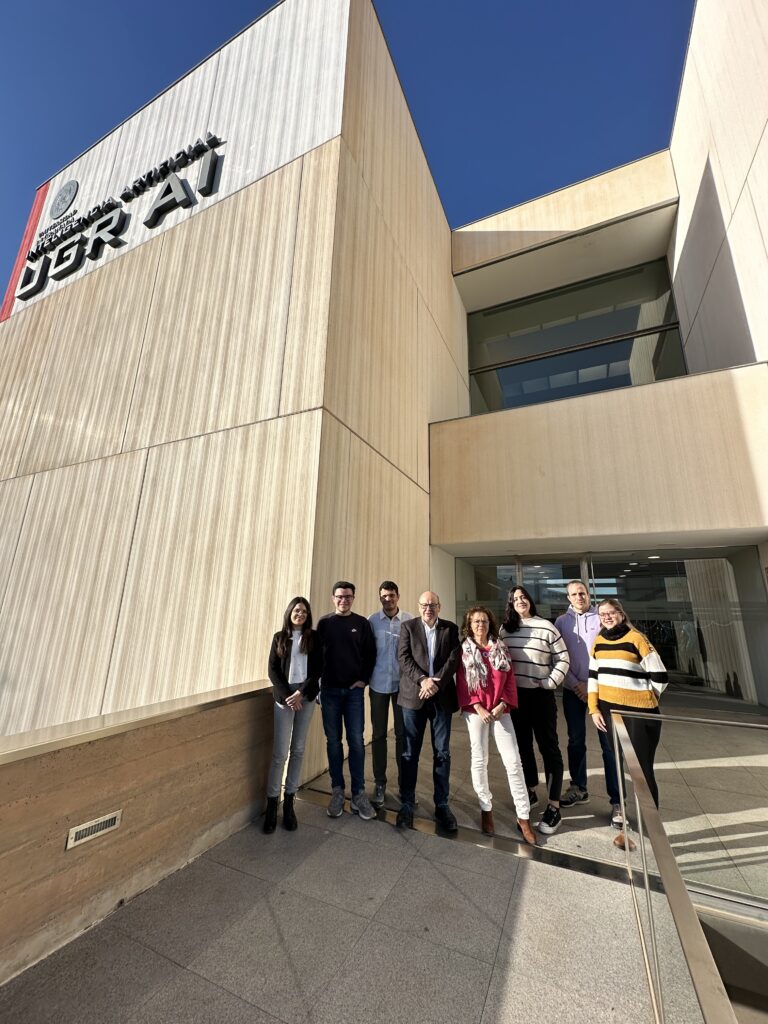
This article is part of the support CONVENIO DE COLABORACIÓN ENTRE LA UNIVERSIDAD DE GRANADA Y LA S.M.E INSTITUTO NACIONAL DE CIBERSEGURIDAD DE ESPAÑA M.P., S.A. FOR THE PROMOTION OF STRATEGIC CYBER SECURITY PROJECTS IN SPAIN, financed by the S.M.E. INSTITUTO NACIONAL DE CIBERSEGURIDAD DE ESPAÑA M.P., S.A. (hereinafter ‘INCIBE’) and by the European Union – NextGenerationEU.
Bibliographic reference:
F. Herrera, D. Jiménez-López, A. Argente-Garrido, N. Rodríguez-Barroso, C. Zuheros, I. Aguilera-Martos, B. Bello, M. García-Márquez, M.V. Luzón. FLEX: FLEXible Federated Learning Framework. Information Fusion. 2025 https://doi.org/10.1016/j.inffus.2024.102792
Contact:
Nuria Rodríguez Barroso
Instituto DaSCI
Universidad de Granada
Teléfono: 660 096 328
Correo electrónico: rbnuria@ugr.es
Francisco Herrera
Instituto DaSCI
Universidad de Granada
Teléfono: 648 168 567
Correo electrónico: herrera@decsai.ugr.es