The study, published in the Nature group’s npj Science of Food journal, reveals for the first time the complete map of human taste receptor interactions using computational models.
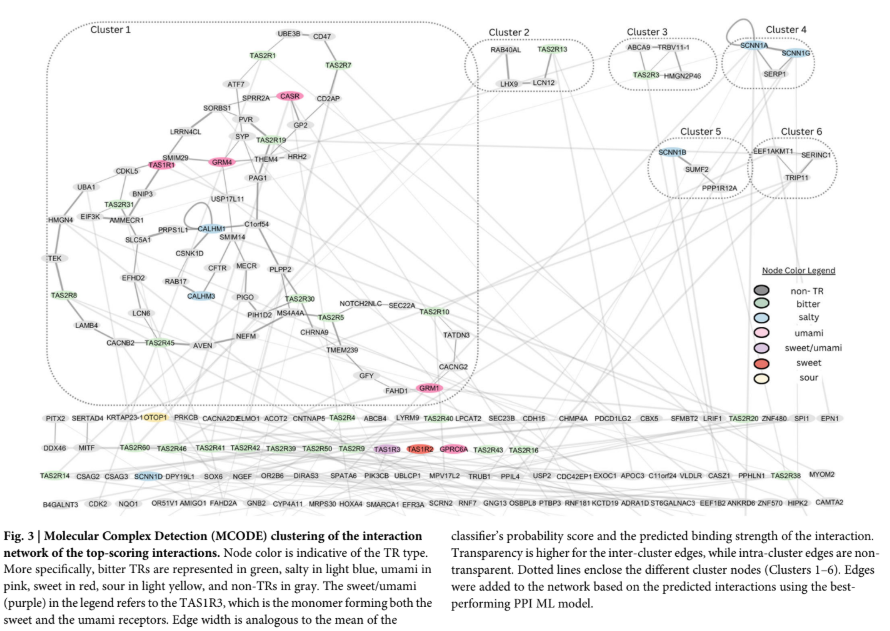
Why are certain flavours irresistible to us, while others repel us? This question has guided an ambitious international research project which, thanks to artificial intelligence and molecular simulation, has succeeded for the first time in deciphering the complete interactome of human taste receptors: the set of interactions between these sensory proteins and other proteins in the body.
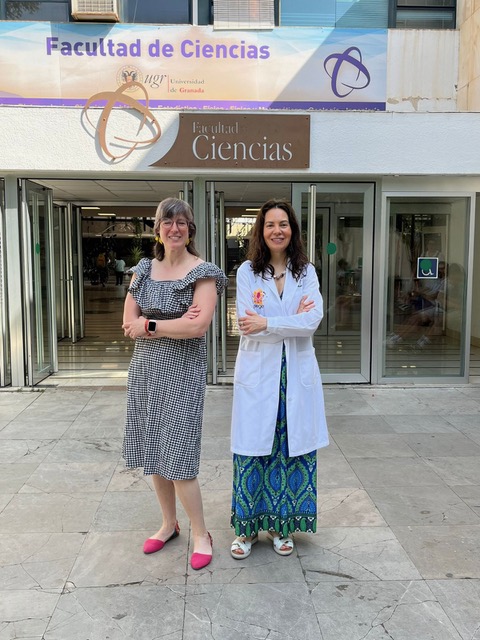
The work has been published in the prestigious journal npj Science of Food, from the Nature publishing group, and has involved the participation of two researchers from the University of Granada: Rocío Romero Zaliz, senior lecturer in the Department of Computer Science and Artificial Intelligence, and Vanessa Martos Núñez, professor in the Department of Plant Physiology, who has also been the Principal Investigator of the project at the UGR.
The study is part of the European project H2020-RISE VIRTUOUS (Virtual tongue to predict the organoleptic profile of Mediterranean ingredients and their effect on human homeostasis), a pioneering initiative that combines molecular biology, computer science, and nutrition to develop functional and personalized foods based on Mediterranean ingredients.
A complex network behind taste
Beyond taste buds, taste is an intricate network of signals and proteins that interact within our cells. Understanding how these taste proteins connect with each other can open the door to new solutions for treating eating disorders, designing personalized diets, or even improving adherence to healthy diets.
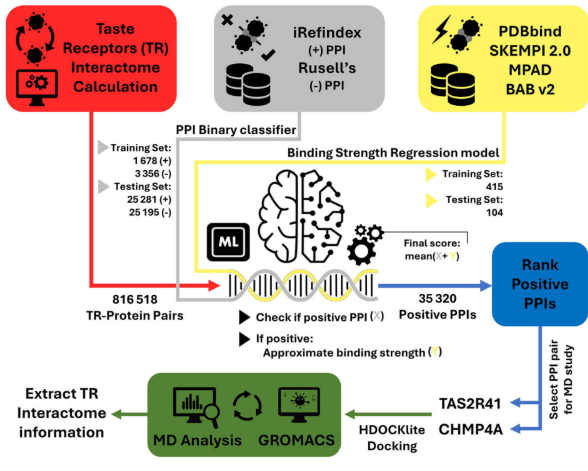
The researchers used machine learning models trained on more than 2.5 million experimental data points to predict protein interactions. They analyzed 61 different characteristics for each protein pair—such as their functional similarity or structural compatibility—and developed an additional model to estimate the binding affinity between them. The most promising predictions were validated with molecular dynamics simulations, a technique that reproduces how proteins behave under real-life biological conditions.
A discovery with a bitter taste and therapeutic potential
One of the study’s most surprising discoveries was the identification of a new interaction between the bitter receptor TAS2R41 and the protein CHMP4A, involved in cell membrane repair. This previously unknown binding could alter the receptor’s flexibility and increase its sensitivity to bitter compounds. The finding suggests that proteins like CHMP4A could modulate taste perception even without external stimulation, opening up the possibility of designing foods that influence appetite or the pleasure of eating.
This breakthrough also raises a revolutionary hypothesis: that taste receptors could have functions beyond the tongue, related to appetite regulation, drug response, or metabolic homeostasis.
Apps for personalized health and nutrition
In addition to its scientific value, this research has enormous applied potential. It could facilitate the development of foods tailored to individual preferences without losing nutritional value, which would help many people adopt balanced diets. It could also improve the nutrition of people with loss of appetite or taste disturbances, such as patients with chronic illnesses, the elderly, or those undergoing chemotherapy.
As Professor Romero Zaliz points out: “This work shows how artificial intelligence can help us understand complex biological processes and design real solutions in fields such as health, nutrition, and well-being.”
For more information about the VIRTUOUS project: https://virtuoush2020.com/project
Access to the original article in Nature: https://www.nature.com/articles/s41538-025-00478-9
Contact:
Rocio Romero Zaliz – Profesora Titular Dpto. Inteligencia Artificial
Departamento de Ciencias de la Computación e Inteligencia Artificial – Instituto DaSCI
rocio@ugr.es
Vanessa M. Martos Núñez – Catedrática Dpto. Fisiología Vegetal
Instituto de Biotecnología
vane@ugr.es